Understanding Astaxanthin: An Overview
What is Astaxanthin?
Astaxanthin is a powerful carotenoid pigment that is primarily known for its vibrant pink color found in marine life such as shrimp, salmon, and certain types of algae. Belonging to the same family of compounds as beta-carotene and lutein, astaxanthin is unique due to its potent antioxidant properties. Research indicates that astaxanthin is approximately 6000 times stronger than vitamin C in terms of its ability to combat oxidative stress, making it a noteworthy supplement in the arena of health and wellness.
Health Benefits of Astaxanthin
The health benefits of astaxanthin extend beyond its antioxidant properties. Recent studies show that astaxanthin aids in:
- Improving skin health: It enhances skin elasticity, moisture levels, and reduces the appearance of fine lines and wrinkles.
- Supporting eye health: Astaxanthin has been linked to decreased eye fatigue and improved vision.
- Enhancing athletic performance: Athletes may experience reduced muscle soreness and improved endurance when supplementing with astaxanthin.
- Bolstering immune function: Astaxanthin supports proper immune system responses, providing better defenses against infections.
Sources of Astaxanthin
Astaxanthin can be sourced from dietary sources as well as supplements. Natural sources include:
- Salmon
- Trout
- Shrimp
- Microalgae such as Haematococcus pluvialis, which is recognized as one of the richest natural sources of astaxanthin.
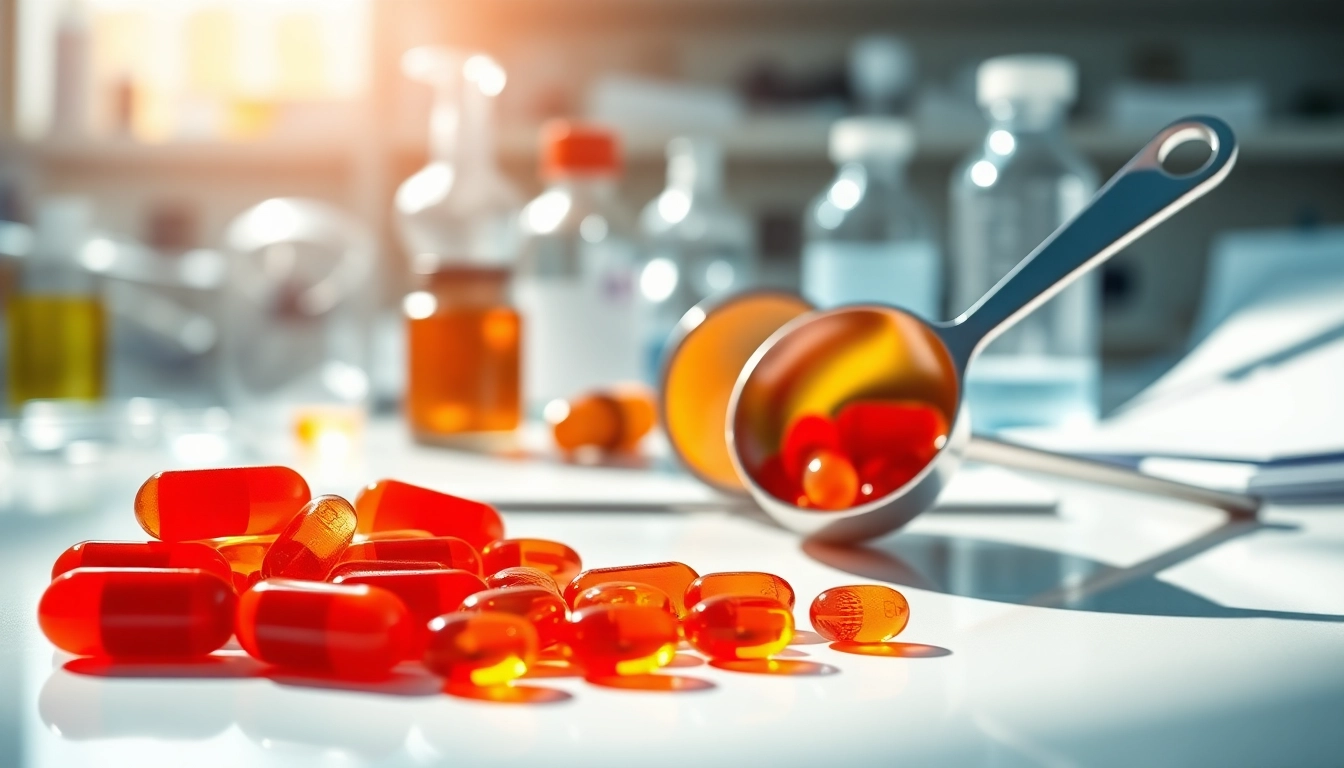
For individuals who may not consume seafood or prefer a concentrated form, astaxanthin is available as dietary supplements in various forms, including capsules and soft gels.
Recommended Safe Astaxanthin Dosage
General Guidelines for Dosage
Determining the safe astaxanthin dosage can vary based on individual needs and health objectives. Generally, a daily intake of 4 to 12 mg of astaxanthin is considered safe and effective for most adults. Higher doses may be required depending on the intended health outcomes, such as improving athletic performance or managing specific health conditions.
Factors Influencing Dosage
Several factors can influence the appropriate dosage of astaxanthin for an individual, including:
- Age: Older adults may require different dosages than younger individuals due to varying physiological responses.
- Underlying health conditions: Those with chronic diseases may require higher dosages to achieve desired effects.
- Overall health and lifestyle: Levels of physical activity and dietary habits can influence how much astaxanthin may be needed.
- Concurrent supplements: Individuals taking additional supplements should consider potential interactions when determining dosage.
Consulting Healthcare Professionals
Before starting any new supplement regimen, including astaxanthin, it's advisable to consult with a healthcare professional. They can assist in determining an appropriate dosage tailored to personal health needs, ensuring both safety and efficacy.
Potential Side Effects and Safety
Common Side Effects
While astaxanthin is generally well tolerated, some individuals may experience mild side effects. Common side effects include:
- Digestive issues such as diarrhea or stomach discomfort.
- Changes in skin color, usually harmless but noticeable.
- Headaches in rare cases.
If side effects persist or worsen, it is crucial to seek medical advice.
Who Should Avoid Astaxanthin?
Although astaxanthin is safe for most, certain individuals should exercise caution or avoid its use altogether, such as:
- Pregnant or breastfeeding women without prior medical consultation.
- Those with known allergies to seafood might react to astaxanthin supplements derived from marine sources.
- Individuals taking anticoagulant medications should consult their healthcare provider due to potential blood-thinning effects.
Managing Allergic Reactions
In the event of an allergic reaction, such as rash or difficulty breathing, discontinuing the use of astaxanthin and seeking immediate medical attention is essential. This ensures that adverse reactions are addressed promptly and appropriately.
Effectiveness of Astaxanthin: User Experiences
Testimonials and Reviews
User experiences largely point to positive outcomes from astaxanthin supplementation. Many report enhanced skin appearance, increased energy levels, and improved athletic performance. Testimonials often highlight the significance of consistency in achieving noticeable health benefits, with some users stating visible results within a few weeks of regular intake.
Case Studies on Dosage Impact
Research studies have examined the dosages of astaxanthin and their respective impacts on health. For instance, a study focused on athletes showed that those taking 12 mg of astaxanthin daily exhibited improved endurance and lower oxidative stress levels compared to those on a placebo. Such findings support existing recommendations for daily dosage.
Comparative Studies with Other Supplements
Studies comparing astaxanthin with other antioxidants underscore its unique properties. For example, while vitamin C is an excellent antioxidant, astaxanthin's superior ability to cross cell membranes and accumulate in tissues makes it particularly effective for cellular protection. Such results emphasize the importance of understanding the specific benefits that astaxanthin can offer in contrast to other common supplements.
FAQs about Safe Astaxanthin Dosage
What is the ideal safe astaxanthin dosage?
The ideal safe astaxanthin dosage typically falls between 4 to 12 mg per day for most adults, conditioned on individual health objectives.
Can I exceed the recommended astaxanthin dosage?
Exceeding the recommended dosage is not advisable without medical supervision, as high doses may result in unwanted side effects.
Is astaxanthin safe during pregnancy?
Astaxanthin's safety during pregnancy isn't well studied; hence, consultation with a healthcare provider is crucial before taking it.
How does astaxanthin interact with medications?
Astaxanthin may interact with anticoagulants and other medications. It's important to discuss with a healthcare professional if you are on medication.
Are there specific populations that need different dosages?
Yes, populations such as older adults, pregnant women, and those with specific health conditions may require tailored dosages.