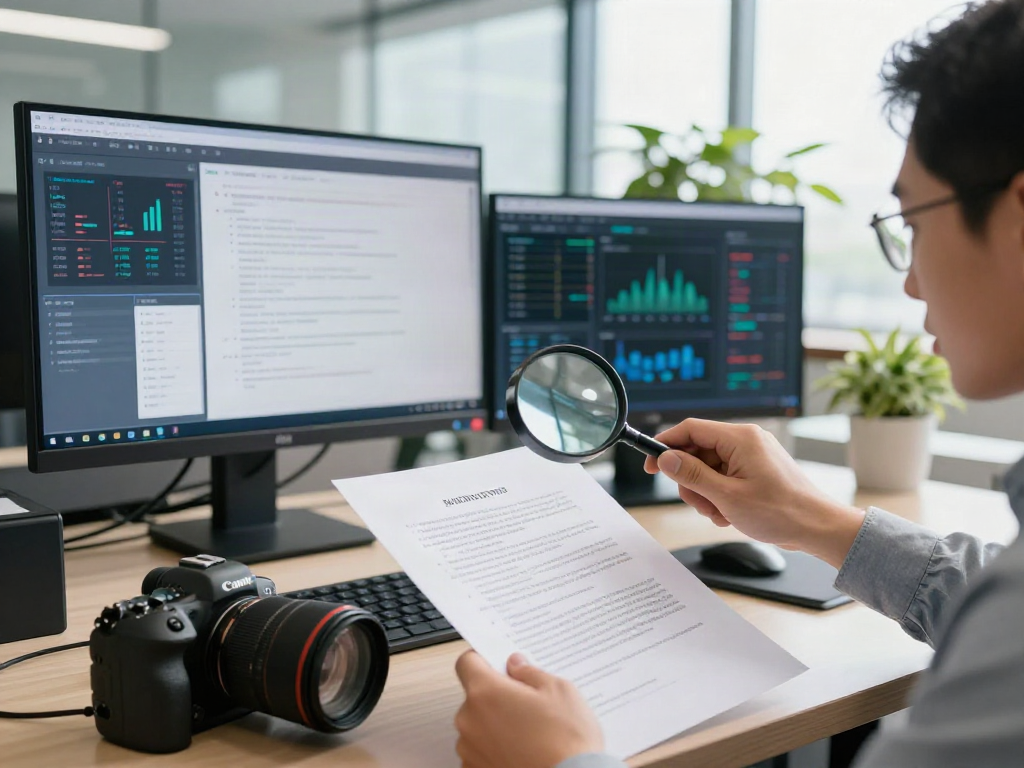
Understanding Document Fraud Detection Techniques
In today's digital age, the ability to detect document fraud is more critical than ever. As technology evolves, so do the methods employed by fraudsters, making it essential for businesses and organizations to adopt robust document verification systems. Document fraud detection encompasses various techniques and technologies aimed at identifying discrepancies, manipulations, or forgery in official documentation. This guide explores the intricacies of document fraud detection, the technologies behind it, best practices for implementation, and future trends that could shape the industry in 2026. For those seeking comprehensive insights into document fraud detection, this article serves as a valuable resource.
What is Document Fraud Detection?
Document fraud detection is the process of examining documents to identify fraudulent activity or alterations. This can involve checking the authenticity of various forms of documentation, including identification cards, bank statements, tax documents, and more. The increased prevalence of digital documentation has led to more sophisticated methods of fraud, such as falsifying digital signatures or creating counterfeit documents entirely. Consequently, organizations are adopting advanced technologies to combat these practices and protect their assets.
Types of Document Fraud
- Forgeries: These involve the outright replication or alteration of genuine documents, such as ID cards or legal agreements.
- Counterfeit Documents: Fraudsters may produce entirely fake documents that appear legitimate to unsuspecting parties.
- Manipulated Digital Files: With the rise of digital documents, there has been an increase in cases where legitimate documents are digitally altered to mislead viewers.
- Identity Theft: This occurs when an individual's personal information is used to create fraudulent documents, often to obtain benefits or financial services illegally.
Common Challenges in Detection
Detecting document fraud is not without its challenges. Some of the most common hurdles include:
- Rapid Technological Advancements: As detection methods improve, so do the tactics employed by fraudsters.
- Inconsistent Standards: Different industries may have varying standards for what constitutes a valid document, complicating detection efforts.
- Volume of Transactions: High volumes of documents requiring verification can overwhelm systems and lead to errors.
- Human Error: Manual verification processes are susceptible to mistakes, which can result in missed fraudulent activities.
Technologies Driving Document Fraud Detection
AI and Machine Learning in Fraud Detection
Artificial Intelligence (AI) and machine learning are revolutionizing the field of document fraud detection. These technologies analyze patterns and anomalies in large datasets, enabling more accurate detection of suspicious activities. AI systems can learn from historical fraud cases, improving their predictive capabilities over time. For example, financial institutions are utilizing machine learning algorithms to flag potentially fraudulent transactions based on document inconsistencies detected within customer profiles.
OCR Technology for Document Verification
Optical Character Recognition (OCR) technology plays a crucial role in document fraud detection by converting different types of documents, such as scanned paper documents, PDFs, or images, into editable and searchable data. Modern OCR systems can not only read text but also recognize and validate document formats and layouts, making them invaluable for detecting alterations or fakes.
Emerging Tools for 2026
The landscape of document fraud detection tools is continuously evolving. By 2026, we anticipate the arrival of more sophisticated software solutions that leverage deep learning, advanced image recognition, and blockchain technology to enhance document integrity. Blockchain can potentially verify document authenticity at the source, creating a tamper-proof record of changes, which would significantly reduce fraud risk.
Best Practices for Implementing Fraud Detection Solutions
Steps to Choose the Right Software
Selecting the appropriate document fraud detection software requires careful consideration. Organizations should assess their specific needs, the types of documents they process, and the sensitivity of the information involved. Key factors to evaluate include:
- Compatibility with existing systems
- User-friendliness and training requirements
- Scalability to accommodate future growth
- Customer support and service agreements
Integrating Fraud Detection into Your Workflow
Integration of fraud detection solutions into existing workflows should be seamless to ensure efficiency. It is essential to evaluate the current processes and identify touchpoints where verification is needed. This might include points of customer onboarding, loan applications, or vendor verification. Automating these processes can significantly reduce the potential for human error.
Training Personnel on Fraud Awareness
Even the most advanced technology cannot completely mitigate the risk of document fraud; human awareness remains a crucial component. Regular training sessions for staff on the latest fraud trends, red flags to look for, and proper verification techniques can enhance overall detection efforts. Creating a culture of vigilance can empower employees to act as the first line of defense against fraud.
Case Studies: Successful Implementations
Financial Sector Examples
Many financial institutions have successfully implemented document fraud detection systems to curb losses due to fraudulent transactions. A prominent bank reported a 30% decrease in fraudulent applications after deploying an AI-driven solution that analyzes document authenticity and customer data integrity in real-time.
Real Estate Document Verification
In the real estate sector, verifying the authenticity of property-related documents is paramount. A real estate firm employed OCR and AI tools to automate the verification of property titles and mortgage documents. This integration resulted in faster transaction times and reduced risk, ultimately leading to increased customer trust and satisfaction.
Government Agency Success Stories
Government agencies are also adopting advanced document fraud detection measures. A municipal office successfully reduced fraudulent claims by implementing a verification system that cross-checked submitted documents against national databases. This proactive measure not only saved taxpayer money but also enhanced public trust in governmental operations.
The Future of Document Fraud Detection
Trends to Watch in 2026
As we look towards 2026, several trends will likely shape the document fraud detection landscape. These include increased reliance on AI and machine learning, a greater emphasis on user-data privacy, and the integration of biometric verification methods. Automated systems will become more intuitive, utilizing real-time data analysis to flag anomalies before they escalate into significant issues.
Preparing for New Fraud Techniques
Staying ahead of evolving fraud techniques is crucial for any organization. To prepare, businesses should invest in research and development of their fraud detection strategies. This includes analyzing emerging threats, conducting regular audits, and updating technology solutions to counteract new methods of deception.
Regulatory Changes Affecting Document Verification
Regulatory frameworks surrounding document verification will continue to evolve. Organizations must remain compliant with these regulations to avoid penalties and to build consumer trust. Staying informed about changes in legislation will be essential in adapting fraud detection systems to meet new requirements.
What is an example of document fraud?
An example of document fraud includes the alteration of a bank statement to show a higher balance than the actual amount in order to secure a loan or mortgage. Such manipulations can be detected through careful scrutiny of document formatting and the use of fraud detection software.
What is the best fraud detection tool?
The best fraud detection tool varies by industry and specific needs. However, tools that incorporate AI and machine learning, such as those offered by Resistant AI and VerifyPDF, are often highly rated for their ability to quickly analyze large volumes of documents and identify irregularities.
How do I check if a document is legit?
To determine if a document is legitimate, one should verify its authenticity by checking for security features, matching the details against official records, and using document verification software that can analyze its integrity.
Can you run a fraud check on PDF documents?
Yes, many modern fraud detection tools can analyze PDF documents for signs of manipulation or forgery, such as checking metadata, examining the underlying structure, and using AI to detect alterations.
What are the benefits of automated document fraud detection?
Automated document fraud detection significantly enhances efficiency and accuracy, reduces human error, and ensures that a higher volume of documents can be processed in a shorter amount of time. Additionally, it allows organizations to respond swiftly to potential fraud, protecting both their interests and those of their clients.