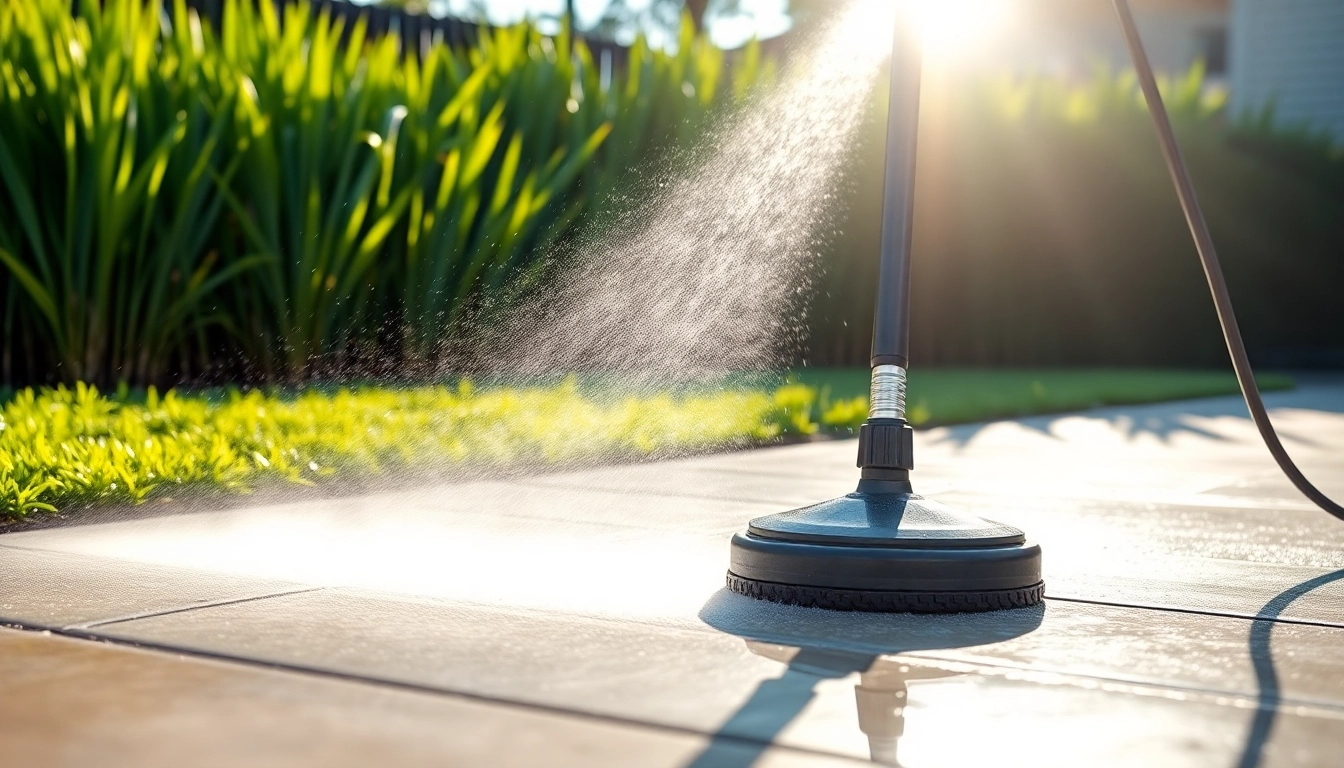
Understanding Driveway Cleaning
What is Driveway Cleaning?
Driveway cleaning is the process of removing dirt, grime, oil stains, mold, and mildew from the surface of driveways to enhance their appearance and longevity. This essential maintenance task not only improves curb appeal but also prevents potential damage caused by contaminants that can degrade the driveway material over time.
Driveways often bear the brunt of weather and environmental factors, leading to a buildup of various substances. Regular driveway cleaning helps restore the surface, making it safer and more pleasurable for homeowners and visitors alike.
Benefits of Regular Driveway Cleaning
There are numerous benefits associated with regular driveway cleaning, including:
- Enhanced Curb Appeal: A clean driveway significantly boosts the overall appearance of your home, making your property look well-maintained.
- Safe Surface: Removing mold and mildew is crucial since these substances can create slippery conditions that may endanger anyone walking or driving on the driveway.
- Prolonged Lifespan: Regular cleaning can help maintain your driveway's integrity, preventing costly repairs or replacements due to degradation from built-up contaminants.
- Increased Property Value: An aesthetically pleasing driveway can increase your home’s market value, as potential buyers often evaluate the condition of exterior surfaces.
Common Driveway Cleaning Methods
Several methods exist for cleaning driveways, each with its pros and cons. Common techniques include:
- Pressure Washing: Using high-pressure water jets, this method effectively removes dirt, grime, and stains. It's ideal for concrete and asphalt driveways due to its efficiency.
- Manual Cleaning: For those who prefer a hands-on approach, scrubbing with a stiff broom and appropriate cleaner can be effective, especially for smaller areas.
- Surface Cleaning Solutions: Chemical cleaning agents can be used for tougher stains, such as oil. These solutions break down contaminants and facilitate easier removal.
- Steam Cleaning: This technique uses hot water and steam to lift stains and debris while sanitizing surfaces, making it suitable for porous materials.
Choosing the Right Cleaning Tools
Pressure Washers vs. Manual Cleaning
Choosing the right method for driveway cleaning depends on several factors, including the condition of the driveway and personal preference.
Pressure Washers are highly effective and save time, especially for large areas. They can be adjusted to control the water pressure, ensuring that delicate surfaces are not damaged. On the other hand, Manual Cleaning may be more suitable for minor touch-ups or if you prefer a non-mechanical solution.
Essential Cleaning Supplies
Whether using a pressure washer or manual techniques, having the right supplies is essential. Key items include:
- Pressure Washer (1500 PSI or higher for effective cleaning)
- Stiff-bristled Broom for manual scrubbing
- Cleaning Solutions tailored for driveways (biodegradable options are green-friendly)
- Bucket for mixing and applying cleaning solutions
- Surface Cleaner attachment for pressure washers to effectively cover large areas
Safety Equipment for Driveway Cleaning
Ensure safety while cleaning by using appropriate protective gear, which includes:
- Gloves: To protect your hands from harsh chemicals.
- Safety Goggles: To shield your eyes from debris and cleaning agents.
- Closed-toe Shoes: To prevent accidents and slips.
- Respirator or Mask: If using strong chemicals or working in confined spaces to prevent inhalation of harmful fumes.
Step-by-Step Guide to Driveway Cleaning
Preparation for Cleaning
Preparation is crucial in driveway cleaning to achieve the best results. Here’s a systematic approach:
- Clear the Area: Remove any vehicles, toys, or debris from the driveway area to provide clear access.
- Inspect the Surface: Look for cracks, holes, or significant stains that may require special attention or repair.
- Choose the Optimal Time: Select a dry day for cleaning, as wet surfaces may hinder your progress and effectiveness.
- Gather Supplies: Ensure you have all necessary tools and cleaning agents ready before you begin.
Executing the Cleaning Process
Follow these steps during the cleaning process for the best results:
- Test a Small Area: If using chemical solutions, test them in an inconspicuous area first to gauge their effect.
- Apply Cleaning Solution: For tough stains, apply a cleaning solution and let it sit for the recommended amount of time, usually 5-10 minutes.
- Pressure Wash: If using a pressure washer, start at the highest point of the driveway and work downward, overlapping strokes to cover the entire surface.
- Manual Scrubbing: For manual cleaning, use a stiff broom and effort to scrub away dirt and stains before rinsing with a hose.
- Rinse Thoroughly: Ensure all cleaning agents are washed away to avoid residue and potential damage.
Post-Cleaning Tips
After cleaning, follow these post-cleaning practices to maintain your driveway:
- Let it Dry: Allow the driveway to dry completely to prevent slipping or unwanted adherence of debris.
- Inspect for Repairs: Once dry, inspect for any areas needing sealing or repair.
- Regular Maintenance: Schedule regular cleanings (every 6 to 12 months) depending on environmental conditions to maintain its appearance.
Addressing Specific Stains
Oil Stains Removal Techniques
Oil stains are among the most challenging spots to remove. Effective methods include:
- Absorbent Materials: Place kitty litter or powdered chalk on the stain to absorb oil. Let it sit for a few hours, then sweep it away.
- Cleaning Solutions: Use commercial degreasers labeled safe for driveways or a homemade concoction of dish soap and warm water to scrub off the stains.
- Pressure Washing: Follow up with pressure washing once the bulk of the stain has been treated.
Mold and Mildew Cleaning Solutions
Mold and mildew thrive in damp conditions and can be unsightly and dangerous. To eliminate these, you can:
- Use Bleach Solution: Mix one part bleach to four parts water. Apply this solution to areas affected, scrub, and rinse thoroughly.
- Vinegar Treatment: A mixture of equal parts vinegar and water can also serve as a natural yet effective mold remover.
- Pressure Wash: Follow up with pressure washing to effectively remove any remnants post-scrub.
Preparing for Seasonal Cleaning
As seasons change, so do the cleaning needs of your driveway:
- Spring Cleaning: Remove winter debris and treat for winter freeze-thaw damage before a thorough cleaning.
- Summer Maintenance: Ensure regular cleanings to manage dirt, pollen, and other contaminants that accumulate in the warmer months.
- Fall Preparation: Clear leaves and debris to prevent mold growth and keep the driveway clear for winter weather.
Cost and Professional Services
Average Costs for Driveway Cleaning
The cost for professional driveway cleaning varies based on factors such as the size of the driveway and the cleaning method. On average:
- Concrete Driveways: Cost between $0.30 to $0.55 per square foot.
- Asphalt Driveways: Tend to be on the lower end of that spectrum with similar pricing.
- Specialty Services: Stain removal or sealing services can incur additional costs, potentially leading to an overall project range of $125 to $200.
When to Hire Professionals
While many homeowners can manage basic driveway cleaning tasks, certain situations warrant hiring professionals:
- Extensive Damage: If the driveway shows significant wear or damage, professionals can assess and apply necessary repairs.
- Stubborn Stains: For tough stains, professional cleaners have access to industrial-grade equipment and solutions.
- Time Constraints: If you find it challenging to dedicate sufficient time to clean, hiring a service may be a more efficient option.
Finding Local Driveway Cleaning Services
To find a reputable driveway cleaning service, consider the following steps:
- Research Online: Look for customer reviews and ratings on platforms like Google or Yelp to gauge service quality.
- Ask for References: A trustworthy company will provide references or case studies demonstrating their work quality.
- Inquire About Certifications: Confirm the company is licensed and insured to protect yourself and your property.
FAQs
1. How often should I clean my driveway?
It's recommended to clean your driveway at least once or twice a year, depending on your climate and level of use. Regular maintenance can prevent permanent stains.
2. Can power washing damage my driveway?
If done incorrectly, power washing can damage asphalt or delicate surfaces. Always use the appropriate pressure settings for your specific driveway type.
3. What is the best way to remove oil stains from my driveway?
Using absorbent materials like kitty litter to soak up the oil, combined with a degreaser and pressure washing, is the most effective approach.
4. Should I seal my driveway after cleaning?
Yes, sealing your driveway after cleaning can protect it from stains and prolong its lifespan, particularly for concrete and asphalt surfaces.
5. How much does professional driveway cleaning cost?
On average, professional driveway cleaning can range from $0.30 to $0.55 per square foot, depending on materials and cleaning methods used.