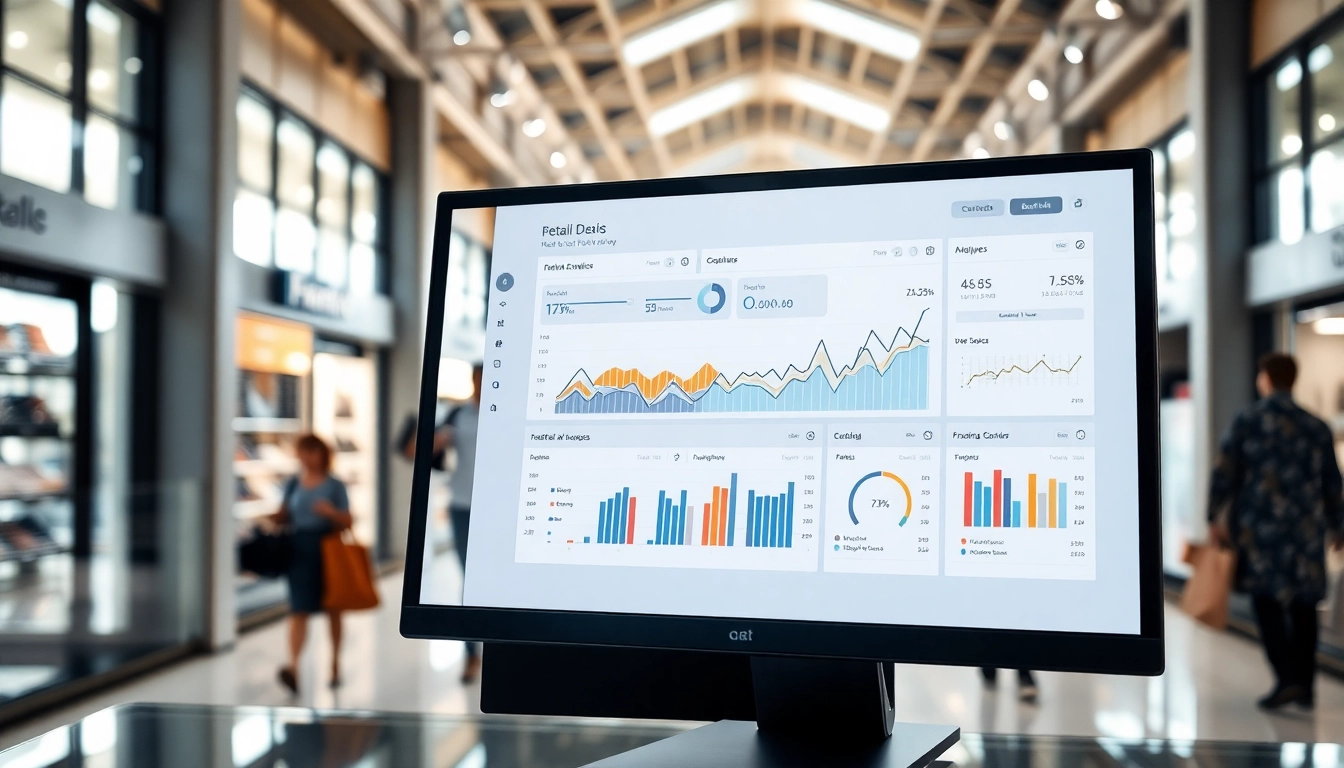
Understanding Retail Footfall Analytics
In the ever-evolving landscape of retail, understanding customer behavior is paramount for success. This is where retail footfall analytics comes into play. This analytical approach encompasses the measurement and analysis of the number of individuals entering, navigating through, and interacting within a retail space. By harnessing these insights, retailers can significantly enhance their operational strategies and improve customer experience.
What is Retail Footfall Analytics?
Retail footfall analytics is the practice of collecting data on the number of people who enter into a retail establishment, as well as how they move through the space. This involves various methodologies such as sensor technology, cameras, and mobile tracking to gather accurate data. The insights gained can illuminate customer pathways, highlight areas of congestion, and identify high-traffic zones. It's important to note that this goes beyond mere headcount; it's about understanding how customers interact with the environment around them.
The Importance of Footfall in Retail
Footfall analytics plays a crucial role in the retail sector for several reasons. First, it provides key insights into customer behavior, which can help retailers tailor their offerings to meet consumer demands. By analyzing foot traffic patterns, businesses can determine high-performing areas within their stores, optimize product placements, and enhance the overall shopping experience. Furthermore, understanding footfall helps retailers prepare for peak shopping times, manage staffing effectively, and develop targeted marketing strategies.
How Footfall Data is Collected and Interpreted
There are numerous technologies currently available for collecting footfall data, each with their advantages and limitations. Common methods include:
- Infrared Sensors: These devices count individuals based on body heat and motion, providing real-time data without requiring any customer identification.
- Video Analytics: Cameras integrated with software analyze visual data to count footfall and monitor customer behavior.
- Mobile Tracking: By tracking customer smartphones via Wi-Fi signals, retailers can gain insights on dwell time and return visits.
Once collected, this data is interpreted using analytics platforms that aggregate the findings, allowing retailers to visualize traffic patterns over time and compare them against historical data. Such analyses can reveal trends related to specific seasons, events, or promotional campaigns, providing context for customer behavior.
Key Metrics in Retail Footfall Analytics
Customer Traffic and Movement Patterns
Understanding customer traffic is essential for any retailer aiming to optimize space and improve service. Key metrics in this area include:
- Total Footfall: The absolute number of visitors to the store during a specified period.
- Peak Hours: Specific times during the day when foot traffic is highest, which can guide staffing and inventory management.
- Movement Patterns: Insights into how customers navigate the store, including entry and exit points and pathways taken.
Dwell Time and Engagement Analysis
Dwell time is a critical metric that indicates how long a customer spends in a particular area of the store before making a purchase or leaving. This metric provides insight into customer engagement, revealing which displays or product categories attract the most interest. Analyzing dwell time can inform decisions about marketing strategies and product placement, leading to increased sales.
Conversion Rates and Their Implications
Conversion rate—the percentage of visitors who make a purchase—is directly influenced by footfall analytics. By analyzing conversion rates alongside foot traffic data, retailers can assess how effectively their store layout, merchandising tactics, and promotional signage are driving sales. Understanding these relationships helps businesses identify areas for improvement and optimize their operations for better performance.
Challenges in Implementing Footfall Analytics
Common Obstacles Retailers Face
Despite the benefits, implementing footfall analytics can present several challenges. Retailers may struggle with the initial costs of installing necessary technology and the ongoing investment in data analysis tools. Moreover, interpreting data effectively requires skilled personnel who understand analytics and its implications for business strategy.
Data Accuracy and Privacy Concerns
Another significant challenge relates to data accuracy and privacy. The integrity of data collected is paramount; inaccurate data can lead to misguided strategies. Additionally, with increasing scrutiny around consumer privacy, retailers must ensure compliance with regulations while balancing the need for valuable insights. Transparent data collection practices can help build trust with customers.
Integration with Existing Systems
Integrating new footfall analytics systems with existing point-of-sale and inventory management systems can also present challenges. Smooth integration is critical to ensure that data analytics translate into actionable insights. Retailers should prioritize solutions that offer interoperability with their current technology stack.
Best Practices for Leveraging Footfall Analytics
Setting Clear Goals and KPIs
To effectively utilize footfall analytics, retailers should establish clear objectives and Key Performance Indicators (KPIs) that align with their overall business strategy. Goals could include enhancing in-store customer experience, improving conversion rates, or maximizing operational efficiency. Having defined KPIs allows for targeted analysis and evaluation of success.
Utilizing Data for Strategic Decision-Making
Retailers should leverage the insights obtained from footfall data to inform strategic decision-making across various departments. For instance, marketing teams can refine campaigns based on traffic patterns, while store managers can optimize layouts to enhance customer flow. Regularly reviewing data will help retailers stay agile and responsive to changing trends.
Case Studies of Successful Implementation
Several retailers have successfully implemented footfall analytics to drive business outcomes. For example, a national clothing retailer utilized footfall data to optimize store layout, resulting in a 20% increase in sales attributed to improved traffic flow and focal displays. Such case studies demonstrate the potential for footfall analytics to create substantial impacts when applied effectively.
Future Trends in Retail Footfall Analytics
The Evolution of Technology in Analytics
As technology continues to advance, so too does the capability of retail footfall analytics. Innovations like machine learning and AI are enhancing the ability to predict customer behavior based on historical data patterns. These technological advancements will allow for more sophisticated analyses and trend forecasting.
Predictions for Retail Behavior
The future of retail will likely see a greater emphasis on personalized customer experiences driven by footfall analytics insights. Retailers who effectively utilize data to anticipate customer needs will be well-positioned to lead in an increasingly competitive environment. Predictive analytics will enable businesses to tailor offerings and marketing strategies in real-time.
How Businesses Can Stay Ahead in Analytics
To remain competitive, retailers should constantly evolve their analytical practices. This includes investing in advanced technologies, regularly updating their strategy based on new trends, and fostering a culture of data-driven decision-making. By staying ahead of technological advancements and consumer trends, retailers can harness the full potential of footfall analytics.
FAQs about Retail Footfall Analytics
1. What technologies are commonly used for footfall analytics?
Common technologies include infrared sensors, video analytics, and mobile tracking systems, which help in counting foot traffic and analyzing customer behavior.
2. How can footfall analytics improve customer experience?
By analyzing foot traffic patterns, retailers can enhance store layouts, optimize product placement, and tailor marketing strategies to improve overall shopping experiences.
3. What are the key benefits of analyzing dwell time?
Dwell time analytics help retailers identify the most engaging products or displays and improve their merchandising strategies accordingly.
4. How can retailers ensure data privacy while using analytics?
Retailers must follow data protection regulations, anonymize collected data, and keep customers informed about data usage to maintain privacy standards.
5. What metrics should retailers focus on with footfall analytics?
Key metrics include total footfall, peak traffic times, dwell time, conversion rates, and customer movement patterns to drive strategic decisions.