Understanding the Basics of Pool Table Disassembly
What is Pool Table Disassembly?
Pool table disassembly is the process of carefully taking apart a billiard table into its component parts. This involves removing several key elements such as the pockets, rails, slate, and legs. Disassembly is often necessary for moving the table to a new location, making repairs, or performing maintenance. It’s essential to handle the disassembly with care to ensure that all parts remain intact and can be reassembled correctly.
Why You Might Need to Disassemble a Pool Table?
There are several reasons why someone might need to perform a Pool Table Disassembly. Moving to a new home is the most common reason, as pool tables are bulky and heavy. Disassembling the table allows for safer transportation in a moving vehicle. Other reasons include the need for repairs after wear and tear, refurbishing for aesthetic reasons, or changing the felt. Regardless of your reasons, understanding the disassembly process is crucial for maintaining the quality of your table.
Tools Required for Pool Table Disassembly
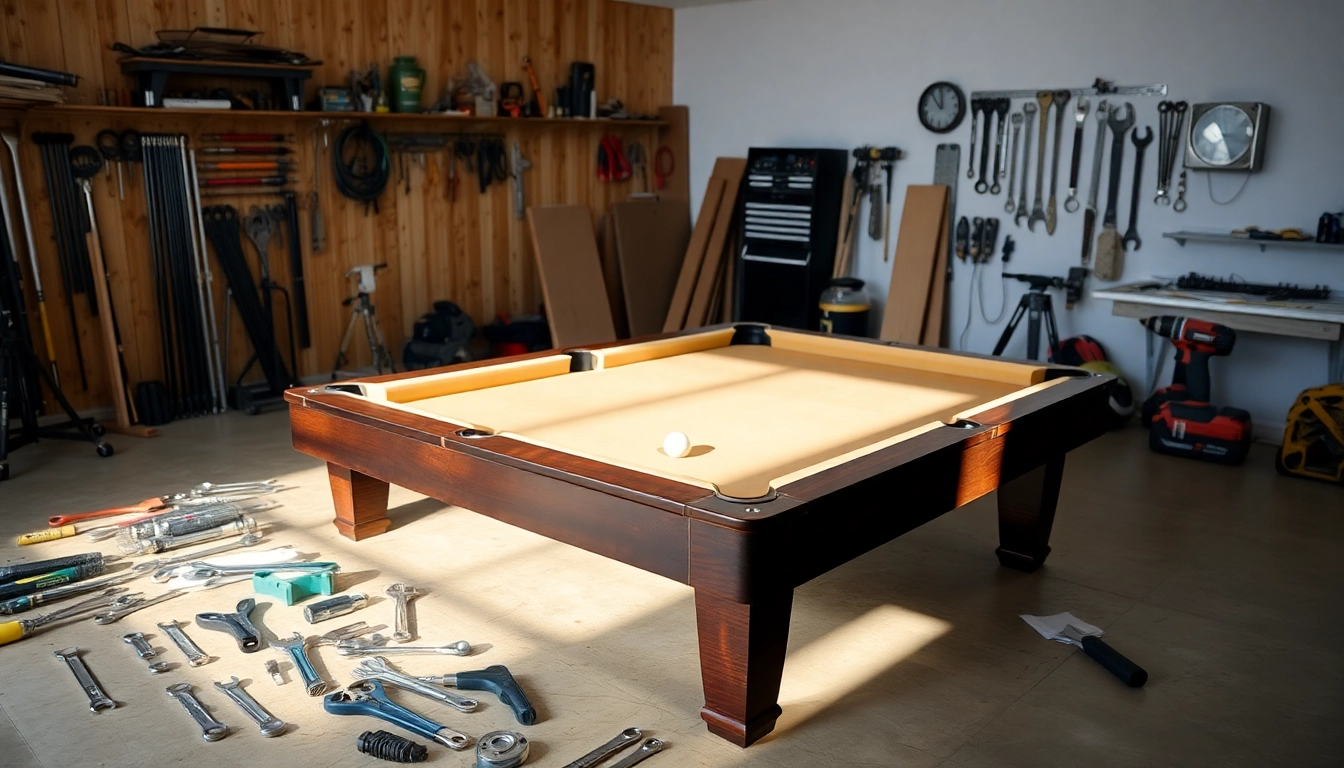
To successfully disassemble a pool table, you will need some key tools. Common items include:
- Socket wrench set
- Screwdriver set (both flat-head and Phillips)
- Power drill
- Staple remover
- Measuring tape
- Utility knife
- Large blankets or moving pads (to protect slate)
Having the right tools on hand will make the disassembly easier and help prevent damage to components during the process.
Preparing Your Pool Table for Disassembly
Assessing the Type of Pool Table
Before starting the disassembly, it's essential to assess what type of pool table you have. Most residential tables come in one of three types: slate, wood, or composite. Slate tables are heavier and generally more complex to disassemble. Understanding the construction of your table will prepare you for the required steps and techniques in the disassembly process.
Gathering the Right Tools
Having your tools organized and ready is crucial. Take the time to gather all required tools in one place before you begin. This minimizes downtime and frustration during disassembly. Make sure you have adequate lighting in your workspace to ensure visibility, which is particularly important for identifying joints and screws in low-light conditions.
Creating a Safe Work Environment
Preparing a safe work environment is fundamental to ensuring a smooth disassembly process. Clear the area around the pool table to provide sufficient space for movement. Use furniture pads or blankets to protect your floors and the table's finish. Additionally, ensure that all tools are within reach to avoid unnecessary stretching or adjustments that might lead to accidents.
Step-by-Step Disassembly Process
Removing the Pockets and Rails
The first step in disassembling your pool table involves removing the pockets and rails. Pockets are usually fastened with screws or staples. Carefully remove these using the appropriate tools, taking care not to damage the upholstery or felt surrounding the pockets. Once that is done, you can then focus on the rails.
Unfasten the rail bolts, typically located underneath the table. Use a socket wrench to avoid stripping the screws. Carefully slide the rails off, ensuring to support them to prevent bending or damage.
Unbolting the Slate
Next comes the slate, the heaviest component of the table. Slate pieces can weigh between 200 to 300 pounds, so it's essential to have extra hands available for this part. Determine how many slates your table has; typically, there are one, two, or three pieces. Locate and remove any bolts holding the slate in place, often found beneath the table. Once everything is unbolted, lift the slate slowly and place it on moving pads to prevent scratches or chips.
Detaching the Legs and Frame
Lastly, the legs and frame must be detached. This process often requires additional support to steady the table. Unscrew or unbolt each leg from the frame, taking care to support the table during this process. After removing the legs, if your table has any cross bracing or additional components, ensure to detach these as well. Lay the detached parts in a safe location to prepare for reassembly later.
Tips for Successful Pool Table Disassembly
Common Mistakes to Avoid
Avoid rushing through the disassembly as this can lead to mistakes such as stripping screws, damaging parts, or losing components. Ensure you are familiar with each step and take your time. Avoid using excessive force, especially when unbolting slate, as this can damage it or injure yourself.
Best Practices for Labeling Parts
Labeling parts as you disassemble is a best practice that will simplify reassembly. Using painter's tape, label each part with its corresponding location on the table or in the order they were removed. This can greatly reduce the time you take to put everything back together later.
How to Safely Move Disassembled Parts
When moving disassembled parts, always use moving pads or blankets to protect the surfaces. Carry the slate sections carefully, using at least two people for added support. For legs and frames, wrap them in protective material to prevent scratches or nicks. Always ensure your path is clear and free of hazards to avoid accidents during transport.
Frequently Asked Questions About Pool Table Disassembly
How Much Does It Cost to Disassemble a Pool Table?
The average cost for disassembling a pool table varies but can range from $150 to $400, depending on the table's complexity and location. Professional movers may charge additional fees for transport.
Can I Do This by Myself?
While it's possible to disassemble your pool table by yourself, it's highly recommended to have at least one other person assist you, especially during heavy lifting parts such as the slate.
How Long Will the Process Take?
The disassembly process can take between 2 to 4 hours, depending on the complexity of the table and your experience level. Taking your time to do it correctly can save you effort in the reassembly.
Do I Need Professional Help?
If you're uncomfortable with heavy lifting or unsure about following the disassembly process, hiring professionals is advised. They have the experience and tools to do the job effectively and reduce the risk of damage.
What Tools Are Essential for DIY Disassembly?
Essential tools include a socket wrench set, screwdrivers, power drill, staple remover, and utility knife. Having these tools will facilitate a smooth disassembly process.