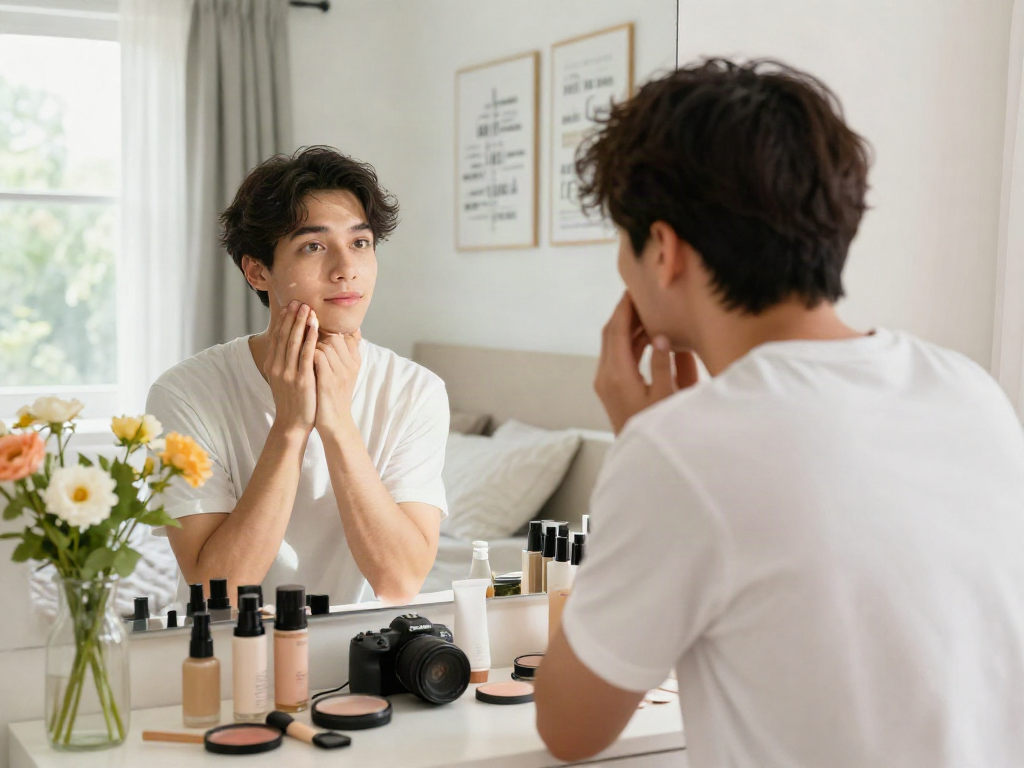
Understanding Attractiveness: The Basics
Attractiveness is a subjective measurement often influenced by cultural and personal perceptions. The concept of beauty can vary widely across different societies and eras. Testing attractiveness has gained significant traction in recent years due to advancements in technology, particularly with the rise of artificial intelligence. Many are curious to understand their own beauty, leading to a growing interest in tools designed to test attractiveness. This article delves into the nature of attractiveness, its historical context, and its importance in daily interactions.
What Does It Mean to Test Attractiveness?
To "test attractiveness" refers to the process of evaluating one's physical appearance using various metrics—ranging from facial symmetry and ratios to personal and societal preferences. The results can provide individuals with a clearer understanding of how they may be perceived by others.
Historical Context of Attractiveness Standards
The standards of beauty have evolved dramatically throughout history, influenced by factors such as art, fashion, and cultural narratives. For instance, during the Renaissance, facial symmetry and proportion were highly regarded, while Victorian standards emphasized modesty and restraint. Understanding these historical shifts is essential to grasp the current landscape of attractiveness.
Importance of Attractiveness in Social Interactions
Attractiveness plays a crucial role in social dynamics, influencing everything from personal relationships to professional opportunities. Studies have shown that individuals deemed attractive often receive more attention, favorable treatment, and even higher salaries. This societal bias underscores the impact beauty can have on one's life experiences.
How AI is Transforming Attractiveness Testing
Artificial intelligence is revolutionizing various fields, including beauty assessment. The advent of AI-driven platforms has made it easier for individuals to receive instant feedback regarding their attractiveness. These tools analyze multiple metrics and provide nuanced evaluations that traditional methods might not address.
AI Technology Overview in Beauty Assessment
AI technologies utilize machine learning algorithms to analyze facial features and assess attractiveness. These systems evaluate elements such as symmetry, skin texture, and facial proportions, enabling them to deliver a comprehensive beauty score. By using a vast database of images and trends, AI can identify patterns that correlate with perceived attractiveness.
Key Features of AI Attractiveness Tests
- Facial Symmetry Analysis: Many algorithms focus on the balance of facial features, as symmetry is often linked to beauty.
- Golden Ratio Calculations: The golden ratio is a mathematical standard used to determine facial proportions, often considered a hallmark of beauty.
- Real-time Feedback: Users can receive immediate evaluations, which encourages interaction and further exploration.
- Customization: Some platforms allow users to see different looks or styles based on their facial features and preferences.
Benefits of Using AI for Accurate Ratings
AI-driven attractiveness tests provide several advantages, including:
- Consistency: Unlike human evaluators, AI systems offer unbiased scores based on predefined metrics.
- Scalability: AI can analyze thousands of images simultaneously, making it accessible for large audiences.
- Data-Driven Insights: Users can understand broader trends and beauty standards based on aggregated data.
Taking an Attractiveness Test: Step-by-Step Guide
For those interested in understanding their attractiveness through testing, following a systematic approach can enhance the experience. Here’s a straightforward guide to help navigate the process effectively.
Preparing Your Photo for Upload
Selecting the right photo is critical. Aim for a clear, well-lit image where your face is directly visible. Avoid excessive makeup or filters, as these may distort the results. Consider natural expressions to obtain the most authentic score.
Understanding Scoring Metrics and Parameters
Different AI tools utilize unique scoring systems, often ranging from 1 to 10 or similar scales. Familiarize yourself with the parameters used in the testing process, such as how facial proportions and symmetry are calculated, as well as how these aspects contribute to your overall score.
Interpreting Your Attractiveness Score
Once you receive your score, it’s essential to contextualize it. While some might feel disheartened by a low rating, remember that attractiveness is subjective, and many factors contribute to beauty. Use your score as a starting point for self-reflection rather than a definitive judgment.
Common Misconceptions About Attractiveness Testing
As interest in attractiveness testing rises, so does the spread of misconceptions. Let’s address a few to provide clarity.
Is Attractiveness Testing Accurate?
Accuracy in attractiveness testing often hinges on the specific algorithms and data used. While AI can analyze physical features, the interpretation of beauty is inherently subjective, so scores should be seen as approximations rather than absolute truths.
Debunking Beauty Myths Related to Score
Many believe that a high score equates to overall life success or happiness. This is a fallacy; self-worth and personal fulfillment extend far beyond physical appearance. Beauty ideals are fluid, influenced by culture and individual preferences.
Understanding Variability in Attractiveness Scores
Scores can vary significantly depending on the variables involved, including the testing platform, the photo quality, and even the time of day. Different algorithms may prioritize various features, leading to disparate results for the same individual under various conditions.
Future Trends in Attractiveness Assessment
As society progresses, so too do the methods of assessing attractiveness. Here are some anticipated trends for 2026 and beyond.
Predicting Shifts in Beauty Standards for 2026
In upcoming years, beauty standards are expected to lean towards inclusivity and diversity. The rise of social movements advocating for body positivity and beauty in all forms will influence how attractiveness is perceived and evaluated.
Emerging Technologies Enhancing Attractiveness Testing
Technological advancements such as augmented reality (AR) and virtual reality (VR) could revolutionize how people engage with attractiveness testing. These technologies may provide immersive experiences, allowing users to visualize potential alterations to their appearance in real-time.
Impact of Social Media on Attractiveness Perception
Social media continues to wield significant influence over beauty standards. Platforms that promote user-generated content encourage diverse interpretations of attractiveness, which can shift societal norms and values in significant ways.
How Personal Experience Shapes Attractiveness Tests?
Individual experiences and self-perception are critical in shaping how one approaches attractiveness testing. Personal biases, cultural background, and even past experiences contribute to how each person interprets their score and the overall concept of beauty.