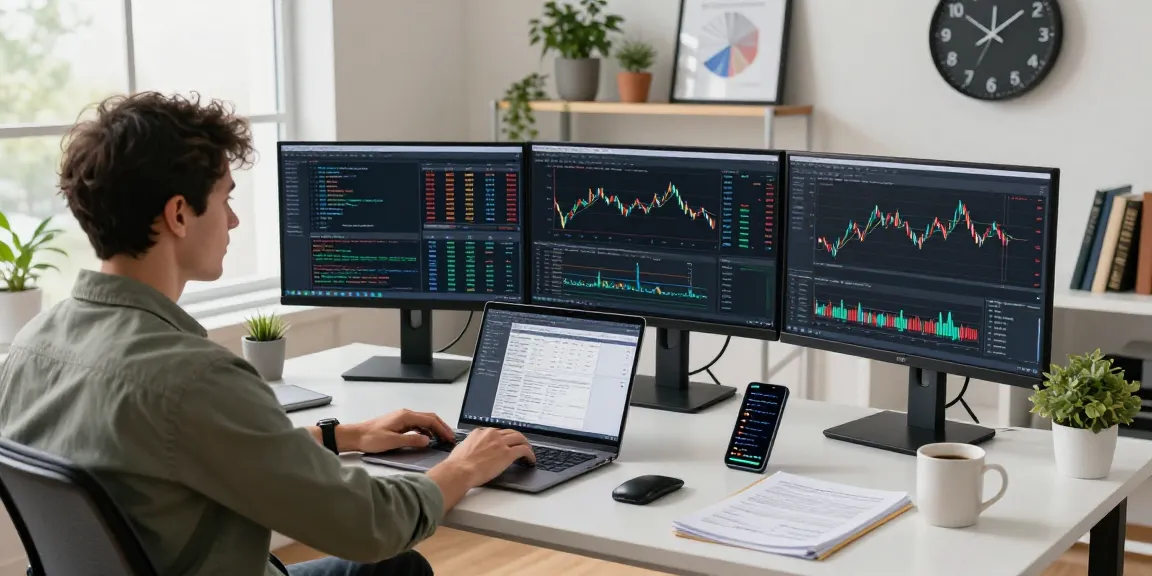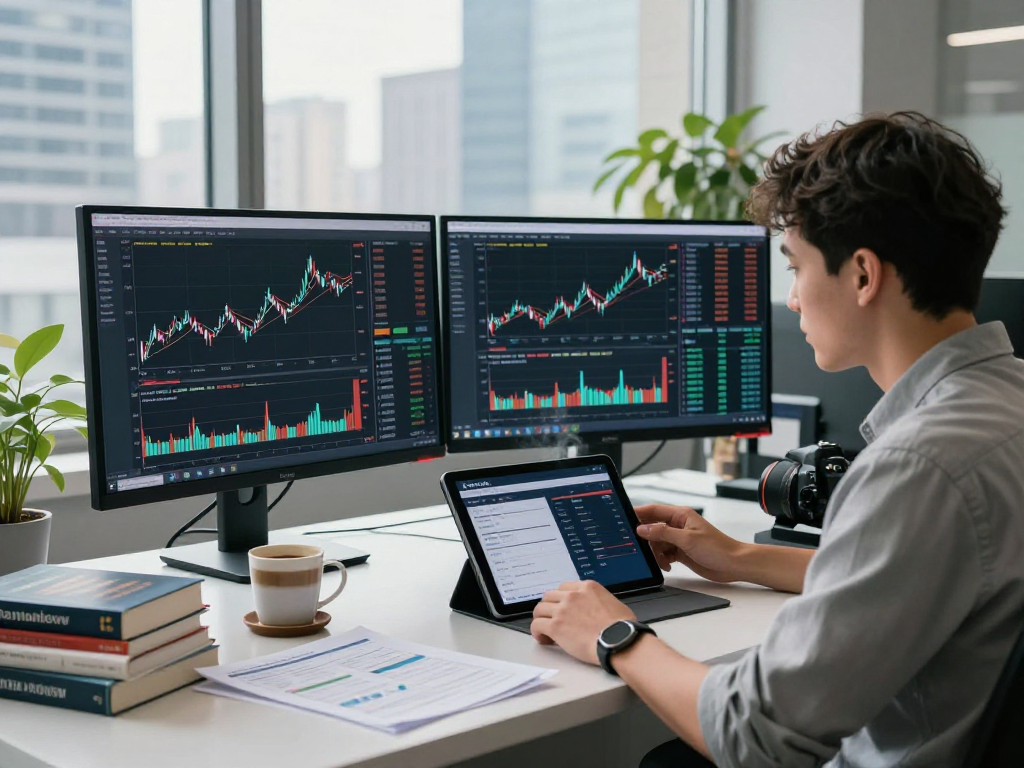
Introduction to TradingView: Overview and Features
In the fast-paced world of trading, having access to a comprehensive platform can significantly impact your ability to make informed decisions. TradingView stands out as a premier tool for traders of all levels, offering insights into various markets and advanced charting capabilities. This guide will delve into TradingView's essential features, exploring its charting tools, alert systems, and cross-platform functionality to equip you with the knowledge you need to enhance your trading strategy.
What is TradingView and Why It Matters?
TradingView is a cloud-based platform designed for traders and investors to analyze financial markets in real-time. It encompasses a wide array of assets, including stocks, forex, cryptocurrencies, and commodities, making it a versatile tool for market analysis. The platform is renowned for its user-friendly interface, robust community features, and powerful analytical tools. By providing detailed charting capabilities alongside social networking features, TradingView allows users to share insights and ideas, creating a collaborative environment.
Key Features of TradingView for Traders
TradingView is packed with features that cater to both novice and experienced traders. Key functionalities include:
- Interactive Charts: Users can customize charts with various technical indicators, drawing tools, and multiple timeframes.
- Alerts and Notifications: Set price alerts or condition-based alerts to stay informed without constantly monitoring the market.
- Social Networking: Engage with a community of traders, share analysis, and discover new trading ideas.
- Cross-Platform Accessibility: Access TradingView on desktop, web, or mobile, ensuring seamless usage across devices.
Understanding Market Compatibility and Usability
TradingView integrates data from a plethora of markets worldwide, allowing users to trade various assets under a unified interface. Its compatibility with major operating systems, including Windows, macOS, and Linux, asserts its position as a comprehensive trading solution. With mobile applications available for both iOS and Android, users can analyze markets and receive notifications on the go, thus enhancing their trading experience.
Deep Dive into TradingView Charting Tools
Graphical Analysis: Techniques and Best Practices
The heart of TradingView lies in its advanced charting tools. Traders can perform detailed technical analysis using customizable charts that cater to individual trading styles. Best practices for using these tools include:
- Selecting Appropriate Timeframes: Utilize multiple timeframes to gain a broader perspective of market trends.
- Incorporating Indicators: Combine various indicators to confirm signals and enhance trading strategies.
- Utilizing Drawing Tools: Use trend lines, Fibonacci retracements, and other drawing tools to identify potential market movements.
Utilizing Indicators and Custom Scripts Effectively
TradingView supports a myriad of technical indicators that can be applied directly to charts. Users can also create custom scripts using Pine Script, TradingView's proprietary programming language. This allows advanced users to tailor indicators to meet their specific trading needs, enhancing the overall analysis.
Multi-Timeframe Analysis for Enhanced Decision Making
By analyzing multiple timeframes concurrently, traders can identify patterns and trends that may not be apparent when looking at a single timeframe. This comprehensive approach can lead to more informed decision-making and improved trading outcomes.
Maximizing Alerts and Notifications in TradingView
Setting Up Price Alerts: A Step-by-Step Guide
Setting price alerts on TradingView is straightforward and can significantly reduce the time spent monitoring the market. Here’s how to set them up:
- Right-click on the chart at the desired price level.
- Select 'Add Alert'.
- Configure alert conditions based on price or indicators.
- Choose notification methods, such as email, SMS, or app notifications.
- Save the alert.
Utilizing Condition Alerts for Strategic Trading
Condition alerts allow traders to set parameters based on specific market conditions, such as moving averages crossing or RSI levels. This level of customization helps traders focus on their strategies without needing to keep a constant watch on the charts.
Managing Notifications Across Devices Seamlessly
One of TradingView’s standout features is its cross-device synchronization. Alerts set on the web application will notify you on both mobile devices and desktop apps, ensuring you never miss critical trading opportunities, regardless of where you are.
Cross-Platform Functionality: Trading on Any Device
Overview of Desktop, Web, and Mobile Applications
The versatility of TradingView is evident in its availability across various platforms. Whether you prefer to analyze markets on a desktop, laptop, or mobile device, TradingView provides a consistent experience. The web version is optimized for performance and accessibility, while mobile applications retain most of the features found on desktop, allowing for robust trading on the go.
Benefits of Cross-Device Synchronization
Cross-device synchronization ensures that your settings, charts, and alerts are consistent no matter where you access TradingView. This capability is particularly beneficial for traders who may need to switch between devices due to their lifestyle or market conditions.
Choosing the Right Platform for Your Trading Style
When selecting a platform for trading, consider your trading style and requirements. If you are a day trader requiring rapid analysis and multiple screens, the desktop version might be ideal. For casual traders, the mobile app offers flexibility without sacrificing functionality. Ultimately, TradingView caters to a wide range of trading styles and needs.
TradingView Pricing Plans: Free vs. Paid Features
Understanding the Free Plan vs. Subscription Benefits
TradingView offers a free plan that provides access to many essential features, but users may find limitations in advanced tools and functionalities. The subscription tiers provide additional perks, such as enhanced data coverage, additional charts, and the ability to save more custom templates.
Evaluating Costs vs. Trading Needs
When considering a subscription, evaluate the features against your trading habits and needs. If you frequently use advanced charts or need real-time data, investing in a paid plan could enhance your trading efficiency and outcomes.
Tips for Getting the Most Out of Your Plan
To maximize the benefits of your TradingView plan:
- Engage with the Community: Utilize shared ideas and strategies from other traders to enhance your own.
- Experiment with Features: Make full use of all the available tools to discover new strategies.
- Keep Learning: Stay updated on TradingView's features through webinars and the community forum.
What are the Best Practices for Using TradingView Effectively?
Effective use of TradingView involves taking full advantage of its features. Best practices include regularly updating your settings, utilizing plugins and scripts, and engaging with the community for shared insights and strategies. By consistently optimizing your use of the platform, you can improve your overall trading results.
Can TradingView Replace Professional Financial Advisors?
While TradingView is an exceptional tool for analysis and market tracking, it does not replace the personalized guidance provided by financial advisors. Traders should use TradingView to support their decisions but should still consider consulting professionals for tailored investment advice based on individual financial situations.
What Features are Most Valuable to New Traders?
New traders will particularly benefit from the educational resources available on TradingView, including tutorials and community forums. The intuitive interface aids in learning quickly, while the alert system allows new traders to react promptly to market movements without constant monitoring.
Is TradingView Suitable for Advanced Traders?
Absolutely. Advanced traders can leverage TradingView's comprehensive analytics and customization options to conduct in-depth market analysis. The ability to create and implement custom scripts enhances trading strategies, making it a powerful tool for seasoned traders.
How to Troubleshoot Common Issues with TradingView?
Should you encounter issues with TradingView, consider these troubleshooting tips:
- Ensure your browser is up to date if using the web version.
- Clear your cache and cookies to improve performance.
- Consult the TradingView help center for detailed guides and support.