Understanding Event Rentals: Key Concepts
Event rentals are crucial components in the planning and execution of various events, from corporate gatherings to extravagant weddings. In Saudi Arabia, a country known for its rapid development and vibrant event culture, the demand for high-quality event rentals continues to surge. Companies like Outscene Global offer extensive services that encompass everything from tents and tables to high-tech AV equipment. When exploring options, Event rentals can greatly enhance the appeal and functionality of any occasion, ensuring a memorable experience for attendees.
What are Event Rentals?
Event rentals refer to the temporary leasing of various items and services needed for organizing events. This can include furniture, decor, audiovisual equipment, tents, and even specialized staffing for events. The essence of event rentals lies in their ability to provide flexibility, allowing event planners to curate an environment that meets the specific needs of their events without the long-term commitment of purchasing equipment.
The Importance of Event Rentals in Saudi Arabia
Saudi Arabia's event rental market plays a vital role in the broader event industry, which is fueled by factors such as tourism, business gatherings, and cultural celebrations. The country hosts numerous high-profile events throughout the year, making it essential for planners to have access to reliable amenities that can adapt to their unique requirements. Event rentals not only save costs but also offer a vast range of choices, enabling seamless execution and exceptional guest experiences.
Common Types of Event Rentals
Several types of event rentals are commonly used to facilitate various gatherings in Saudi Arabia:
- Furniture: Chairs, tables, lounges, and bar stools tailored to the event’s theme.
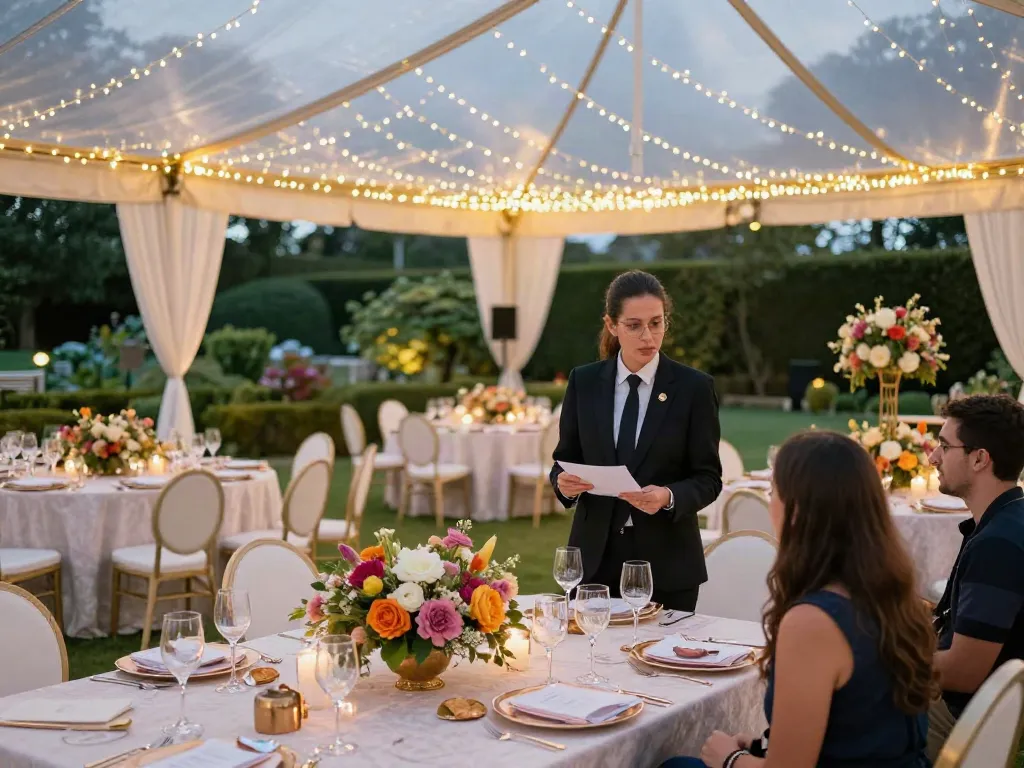
- Tents and Canopy Structures: Essential for outdoor events, providing shelter from the sun and unexpected weather.
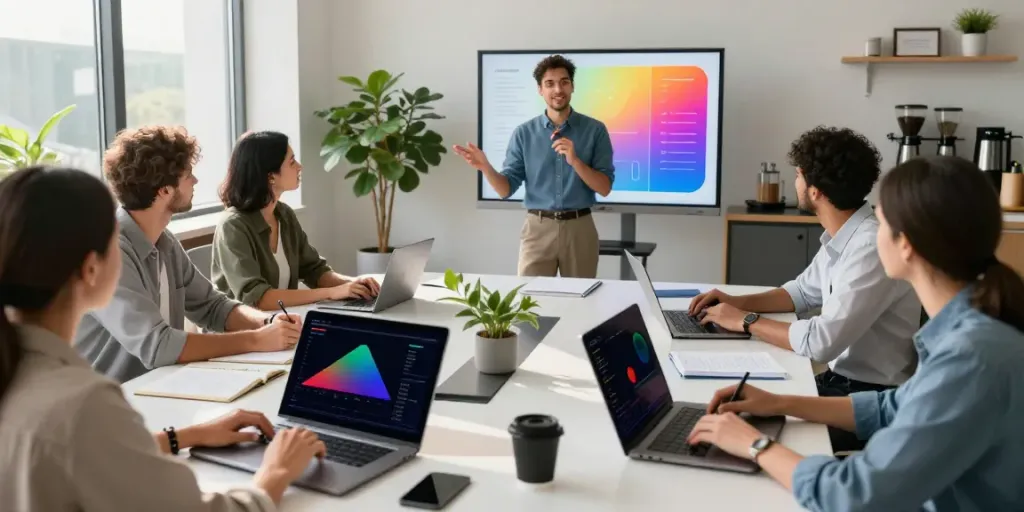
- AV Equipment: Sound systems, projectors, and lighting solutions require careful consideration to ensure clear communication and atmosphere.
- Decor and Linens: Items such as centerpieces, tablecloths, and draping can create the desired ambiance and enhance visual appeal.
- Food and Beverage Equipment: Equipment related to catering, including cooking utensils, serving stations, and diningware.
Planning Your Event: Getting Started
Successfully planning an event requires thorough preparation and consideration. By understanding the nuances of event rentals, you can start structuring your approach to selecting the right items for your occasion.
Choosing the Right Event Rentals for Your Needs
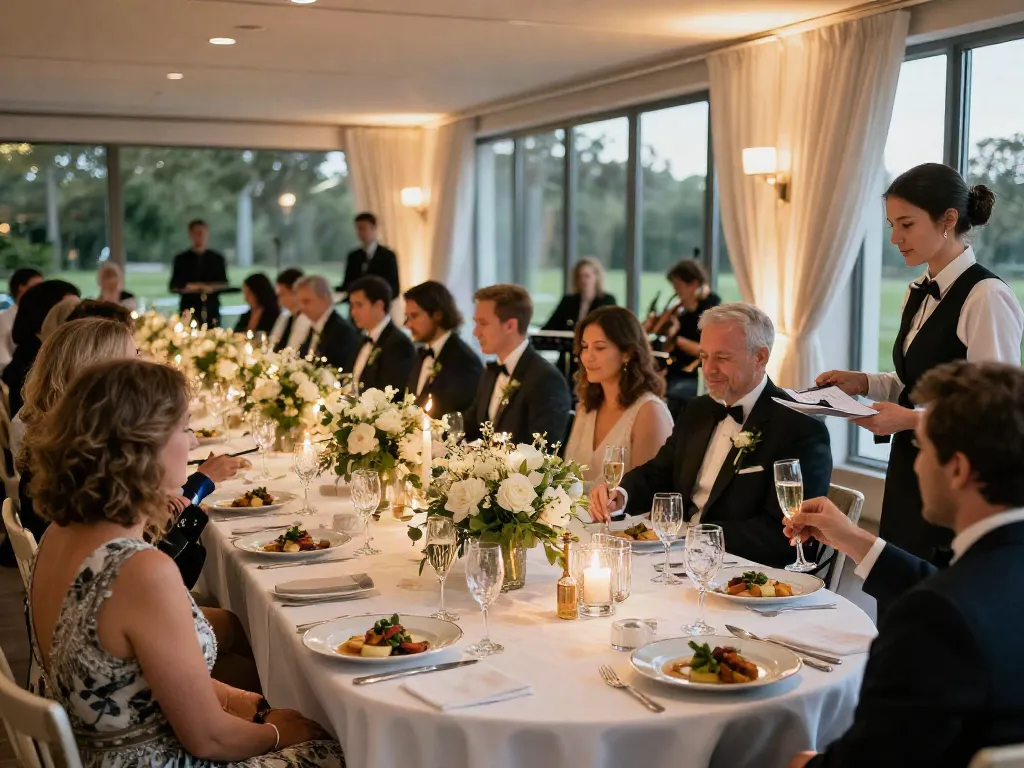
When selecting event rentals, consider your event's theme, size, and location. Ensure the items you choose align with your vision and meet the practical needs of your guests. For example, a formal corporate event may require sleek furniture and sophisticated decor, while a family festival would benefit from vibrant colors and functional seating arrangements. It’s also advisable to work with a reputable rental company that can offer personalized recommendations based on your needs.
Budgeting for Event Rentals: What to Consider
Establishing a clear budget for event rentals is essential to avoid overspending. Key factors to consider include:
- Rental costs for each item.
- Transportation and delivery fees.
- Setup and teardown expenses, if applicable.
- Additional services, such as event staffing or onsite support.
By creating a detailed budget breakdown, you can prioritize essential rentals and identify areas for potential savings.
Common Mistakes to Avoid When Renting Equipment
When renting equipment, common pitfalls can detract from your event's success:
- Procrastination in booking rentals can lead to limited availability and increased costs.
- Forgetting to review rental terms and conditions may result in unforeseen charges.
- Failing to measure space correctly can lead to overcrowding or underutilization of equipment.
- Not requesting a contract or written confirmation could lead to misunderstandings regarding what has been agreed upon.
Logistics of Event Rentals: A Smooth Experience
Managing the logistics of event rentals effectively ensures a seamless experience for both planners and attendees. This involves careful planning and execution, especially when dealing with multiple vendors and timelines.
How to Coordinate Setup and Delivery of Rentals
Prior to the event, coordinate with your rental company regarding delivery and setup times. Create a timeline that includes:
- Delivery date and time.
- Setup duration and specific instructions.
- Staffing requirements and responsibilities during setup.
It’s often beneficial to have a designated point person to oversee the process, ensuring that everything runs smoothly.
Timing Your Rentals for Maximum Efficiency
Timing is critical when renting equipment for events. Aim to have rentals delivered at least a day before your event, allowing time for setup and troubleshooting if needed. This approach reduces stress on event day and ensures that any last-minute adjustments can be made without impacting your timeline.
Communication with Rental Companies: Best Practices
Effective communication with rental companies can prevent many issues. Be clear and detailed in your requests and confirm all aspects of the rental agreement in writing. This includes:
- Confirmation of items rented.
- Delivery schedules.
- Contact information for both parties.
- Cancellation and refund policies.
Establishing a strong line of communication fosters better relationships and enhances collaboration for future events.
Innovative Event Rental Trends for 2026
As the event landscape evolves, so do the trends influencing the rental market. Keeping abreast of these developments ensures that your events remain relevant and engaging.
Emerging Trends in Event Rentals: Sustainability and Innovation
Sustainability continues to be a key focus in the event rental industry. Many companies are shifting towards eco-friendly options, utilizing materials that are biodegradable or recyclable. Innovations such as digital check-ins for rented equipment and tracking devices for inventory management streamline the rental process, making it more efficient and user-friendly.
Technology Integration: AV Technology and Interactive Rentals
Incorporating technology into event rentals can elevate experiences significantly. This includes advanced audiovisual systems, interactive displays, and virtual reality experiences that engage guests on a deeper level. Event planners should consider how these technologies can be integrated into their events to create more immersive atmospheres.
Future of Event Rentals in Saudi Arabia: What to Expect
The event rental market in Saudi Arabia is expected to grow substantially over the next few years, driven by increased local and international events. As the country continues to develop its tourism and business sectors, the demand for innovative and high-quality event rentals will rise, prompting companies to expand their offerings to meet diverse client needs.
Real-World Case Studies: Success Stories
Analyzing successful events can provide valuable insights into effective rental strategies and the impact of well-executed event planning.
Highlighting Successful Events: Lessons Learned
Various events have showcased the importance of leveraging event rentals effectively. For instance, a recent corporate gala in Riyadh partnered with Outscene Global for comprehensive rental services, resulting in a seamlessly executed event that impressed attendees and stakeholders alike. Key takeaways included starting the planning process early and maintaining clear communication throughout the rental process.
Client Testimonials and Experiences with Event Rentals
Client experiences provide an essential perspective on the effectiveness of rental services. Many clients emphasize the importance of working with knowledgeable rental providers who understand the local nuances and can offer customized solutions tailored to specific event needs.
How to Measure Success: KPIs for Event Rentals
To evaluate the success of event rentals, it’s essential to establish key performance indicators (KPIs) that align with your event objectives. Common metrics include:
- Cost per attendee.
- Guest satisfaction ratings.
- Return on investment for the event.
- Feedback on rental quality and service.
By measuring these KPIs, event planners can assess the effectiveness of their strategies and improve future events.
What should I consider when planning event rentals?
Consider factors such as event size, theme, location, and the specific needs of your audience when planning event rentals. Ensure that your choices reflect the atmosphere you wish to create and the logistical requirements of your event.
How can I save money on event rentals?
To reduce costs, compare rental companies, consider package deals, and assess what you may already own that can be utilized for your event. Renting only essential items can also keep expenses down.
What types of events typically require rentals?
Common events requiring rentals include weddings, corporate meetings, trade shows, exhibitions, festivals, and large private parties. Each of these events has different requirements, making it crucial to select the right rentals accordingly.
How far in advance should I book my event rentals?
It’s advisable to book event rentals at least 3 to 6 months in advance, particularly for peak seasons. Early booking ensures the availability of desired items and prevents last-minute issues.
Are there any specific permits or regulations for event rentals in Saudi Arabia?
Yes, certain permits may be required for public events, particularly those involving large gatherings or specific activities. It's essential to consult local regulations and rental companies to ensure compliance.