Introduction to Research Peptides
In recent years, the interest in research peptides has surged, predominantly due to their diverse applications in scientific and medical fields. Among these, the ghk cu peptide stands out due to its remarkable properties and potential benefits. This article delves into the intricacies of research peptides, highlighting their significance, particularly focusing on GHK-Cu peptide.
Defining Research Peptides
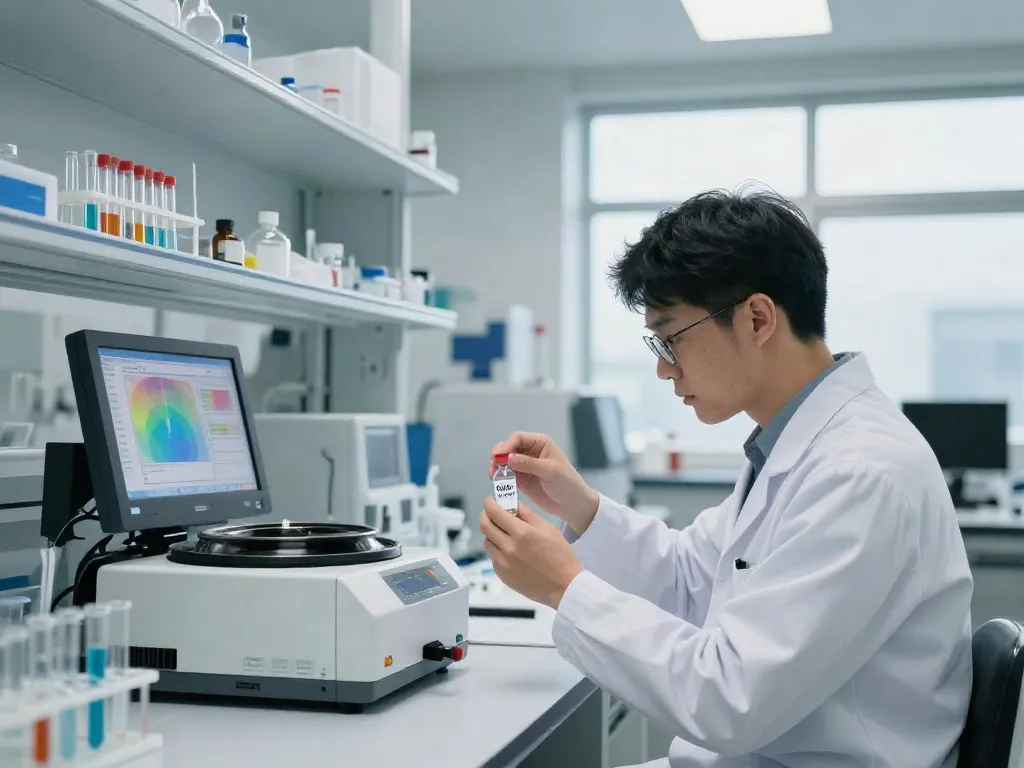
Research peptides are short chains of amino acids that serve as the building blocks of proteins. They are pivotal in various biological processes and are increasingly used in research related to medicine, skincare, and fitness. Comprising only a few to several amino acids, these peptides can exert profound effects on cellular function, making them valuable in therapeutic and cosmetic applications.
History and Evolution of Peptide Research
The journey of peptide research dates back several decades, beginning with the identification of insulin as one of the first peptides to be sequenced. Over the years, advancements in biotechnology have facilitated the synthesis and modification of peptides, broadening their potential applications. Initial studies primarily focused on hormones and neurotransmitters, leading to the discovery of unique peptides that play crucial roles in various physiological processes.
As our understanding of peptides grew, researchers began to explore their roles in cellular signaling, immune response, and tissue repair. This evolution heightened the focus on specific peptides, such as GHK-Cu, which has gained traction for its distinct regenerative properties.
Current Trends in Peptide Applications
Today, the application of peptides ranges widely from therapeutic strategies for chronic diseases to enhancements in cosmetic formulations. There is an increasing prevalence of peptide-based therapies targeting oncology, metabolic disorders, and regenerative medicine. Additionally, GHK-Cu peptide, known for its ability to promote tissue healing and skin rejuvenation, mirrors the current trend of utilizing natural compounds for enhancing overall health and wellness.
The Science Behind GHK-Cu
What is GHK-Cu Peptide?
GHK-Cu is a copper peptide composed of three amino acids: glycine, histidine, and lysine, coupled with copper ions. Its formulation allows it to bind with copper, a vital trace element that plays a significant role in various biochemical pathways, including collagen synthesis and antioxidant protection. GHK-Cu exists naturally in the human body, particularly in plasma, and its levels decline with age, correlating with various signs of aging.
Biological Properties and Benefits
Numerous studies have revealed the therapeutic potential of GHK-Cu peptide. Its biological properties encompass anti-inflammatory effects, enhanced wound healing, and skin regeneration capabilities. GHK-Cu is noted for its stimulation of fibroblast activity, which promotes collagen and elastin production—two essential proteins that maintain skin structure and elasticity. This pivotal role in skin health makes GHK-Cu peptide a popular ingredient in numerous aesthetic treatments and skincare products.
Mechanisms of Action
The mechanisms through which GHK-Cu exerts its effects are complex and multifaceted. Primarily, GHK-Cu binds to cell surface receptors, initiating signaling pathways that result in increased cell proliferation and migration. Furthermore, it enhances the production of extracellular matrix components, vital for tissue repair and regeneration. The peptide also demonstrates impressive antioxidant capabilities, scavenging free radicals and protecting cells from oxidative stress.
Applications of GHK-Cu Peptide
Cosmetic and Dermatological Uses
In the cosmetic industry, GHK-Cu peptide has garnered attention for its ability to improve skin quality and accelerate healing processes. It's widely incorporated into skincare products due to its capacity to stimulate collagen and elastin production, helping to reduce the appearance of wrinkles and fine lines. Studies show that topical application of GHK-Cu can enhance skin hydration, improve elasticity, and promote overall skin rejuvenation.
Additionally, GHK-Cu shows potential in treating acne and other skin disorders due to its anti-inflammatory properties, making it a versatile component in modern dermatological treatments.
Therapeutic Applications in Medicine
Beyond cosmetic implications, GHK-Cu has been investigated for various therapeutic applications. Its wound healing capabilities render it beneficial in clinical settings for patients recovering from surgeries or injuries. The peptide's ability to promote angiogenesis—the formation of new blood vessels—facilitates enhanced healing and recovery rates. Clinical trials have indicated that GHK-Cu can significantly reduce healing times for wounds and postoperative recovery.
Impact on Aging and Regeneration
As individuals age, the natural decline in GHK-Cu levels contributes to visible signs of aging, such as sagging skin and reduced elasticity. Research highlights the peptide's potential to reverse certain markers of aging. By rejuvenating aged tissues and promoting healthy cellular function, GHK-Cu may serve as a key player in anti-aging therapies, emphasizing its role in promoting longevity and wellness across various age groups.
Sourcing and Quality Considerations
Identifying High-Quality Peptides
Not all peptides are created equal, making it essential to identify high-quality sources when considering GHK-Cu peptide for research or cosmetic applications. Quality assessment should include factors such as purity, the method of synthesis, and the presence of contaminants. When sourcing GHK-Cu, it is crucial to rely on reputable suppliers who provide transparent information regarding peptide synthesis and integrity.
Importance of Testing and Verification
Testing and verification are fundamental in ensuring compliance with regulatory standards and the efficacy of peptides like GHK-Cu. Third-party testing by accredited laboratories can confirm the quality and safety of peptides, demonstrating the absence of harmful contaminants. Consumers should seek suppliers that provide certificates of analysis (COAs) as proof of quality assurance.
Common Marketplaces for Peptides
Common marketplaces for peptides include online suppliers specializing in research chemicals, biotech firms, and pharmaceutical companies. When navigating these options, it’s important to ensure that the marketplace adheres to regulatory requirements and offers verified products. Engaging in community discussions, review platforms, and academic references can further assist in identifying trustworthy sources for GHK-Cu peptide and other research peptides.
Future of Peptide Research and Its Implications
Emerging Research Areas
The future of peptide research holds great promise as scientists continue to uncover new aspects of peptide functionality and utility. Emerging research areas focus on peptides as targeted therapeutic agents, with implications in personalized medicine and regenerative therapies. As techniques in peptide synthesis and modification advance, the potential for creating novel peptides that can interact selectively with specific cellular mechanisms makes this field an exciting frontier.
Ethical Considerations in Peptide Usage
As peptide-based therapies gain traction, ethical considerations regarding their usage are increasingly coming to light. These include the implications of peptide research in terms of safety, accessibility, and the potential for misuse. Regulatory agencies must establish clear guidelines to govern the use of research peptides, ensuring both efficacy and safety in their application across healthcare and cosmetic domains.
Predictions for the Next Decade
Looking ahead, the integration of artificial intelligence and machine learning in peptide research is expected to accelerate discoveries related to peptide functionality. Predictions suggest a growth in the personalization of peptide therapies tailored to individual genetic profiles, thus enhancing treatment efficacy. Furthermore, GHK-Cu peptide, alongside other beneficial peptides, is likely to feature prominently in both therapeutic and cosmetic innovations, enriching the spectrum of healthcare possibilities.
FAQs
1. What are the benefits of GHK-Cu peptide? GHK-Cu may promote wound healing and skin regeneration by stimulating collagen and elastin production.
2. How is GHK-Cu peptide administered? It can be delivered through topical applications or injections, depending on its intended use.
3. Are there any side effects of GHK-Cu peptide? Generally, it is regarded as safe, but individuals may experience mild irritation. Always consult a healthcare provider.
4. Where can I buy GHK-Cu peptide? It is available from various online suppliers, but ensure they provide quality testing and verification.
5. How does GHK-Cu compare to other peptides? GHK-Cu is unique for its strong effects on wound healing and skin health, unlike many other peptides.