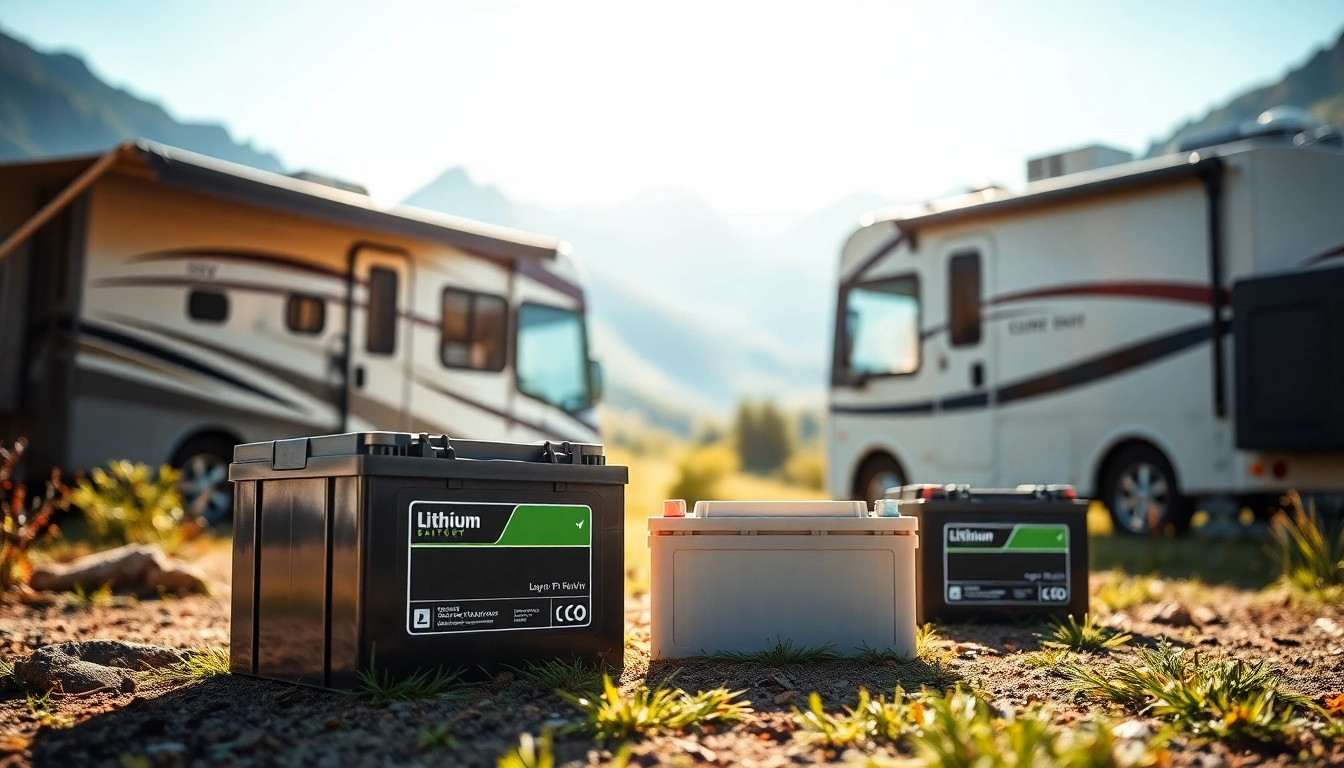
Understanding Lithium RV Batteries
What Are Lithium RV Batteries?
Lithium RV batteries are a type of rechargeable battery specifically designed for recreational vehicles (RVs). These batteries utilize lithium-ion technology, which offers significant advantages over traditional lead-acid batteries. Typically, lithium RV batteries are composed of lithium iron phosphate (LiFePO4), providing enhanced safety and longevity. Unlike lead-acid batteries, lithium RV batteries discharge more efficiently and can be charged at a faster rate. Their weight-to-power ratio also enhances overall vehicle performance, making them an ideal power source for RV enthusiasts.
Benefits of Lithium RV Batteries
Transitioning to lithium RV batteries can significantly boost your camping experience. Here are some key benefits:
- Longer Lifespan: Lithium RV batteries can last up to 10 years, significantly outlasting traditional lead-acid types.
- Lighter Weight: Their lighter weight allows for better handling and increased payload capacity in your RV.
- Efficiency: These batteries maintain higher voltage levels longer, ensuring your devices receive consistent power without dips.
- Faster Charging: They can be charged quickly, typically within a few hours, which is a game-changer during travel.
- Environmentally Friendly: Lithium batteries can be recycled, reducing waste compared to lead-acid batteries.
How Lithium RV Batteries Compare to Other Types
When considering lithium RV batteries, it’s essential to compare them to other common alternatives. Lead-acid batteries, while more affordable upfront, tend to have shorter lifespans and require more maintenance. In contrast, lithium RV batteries provide a cleaner power source and are more efficient in energy usage.
Additionally, gel and AGM batteries also have their place in RV settings, but they can't match the weight savings and performance efficiency offered by lithium alternatives. Lithium batteries can deliver full power across nearly their entire charge cycle, ensuring that your RV appliances and systems function seamlessly.
Choosing the Right Lithium RV Battery
Factors to Consider When Selecting Lithium RV Batteries
Selecting the right lithium RV battery involves various considerations:
- Capacity: Measured in amp-hours (Ah), this determines how much energy the battery can store. Consider your energy consumption needs before selecting a battery.
- Voltage: Most systems require either 12V or 24V. Ensure that the battery matches your RV's specifications.
- Weight: Ensure the weight of the battery fits your vehicle's payload capacity and won’t Vatrer Power negatively affect handling.
- Battery Management System: Many lithium batteries come equipped with smart management systems that protect against overcharging, overheating, and other critical issues.
The Importance of Capacity and Power
Battery capacity notably affects your RV's ability to run appliances and systems. Here’s why it matters:
A larger capacity, say 200Ah compared to 100Ah, allows for longer periods of power availability before needing a recharge. If you rely heavily on large power-consuming devices, such as air conditioners or multiple electronics, you'll need higher-capacity batteries to ensure stress-free camping experiences.
Understanding Battery Configurations
The configuration of lithium RV batteries can be tailored based on your needs. Several configurations are possible:
- Series Configuration: Connecting batteries in series increases voltage. Ideal for RV systems that Vatrer Power require higher voltages.
- Parallel Configuration: Connecting in parallel increases capacity while maintaining voltage, advantageous for extended energy demands.
- Combination: A strategic combination of series and parallel can achieve both higher voltage and capacity to suit specific needs.
Installation and Maintenance Tips
Step-by-Step Guide to Installing Lithium RV Batteries
Installing lithium RV batteries requires attention to detail. Here’s a general step-by-step guide:
- Preparation: Gather necessary tools (wrenches, wire cutters, etc.) and check compatibility with your RV's electrical system.
- Safety First: Disconnect the RV battery system and wear protective gear.
- Mounting: Securely install the battery in a designated battery compartment. Ensure good ventilation and access.
- Wiring: Connect the positive terminal of the battery to the RV's positive lead, and do the same for the negative terminal.
- Testing: Once connected, power on your RV systems to ensure everything operates correctly. Monitor voltage and compatibility.
Essential Maintenance Practices
Maintaining lithium RV batteries can prolong their lifespan significantly. Here are essential practices:
- Keep Clean: Regularly clean battery terminals to prevent corrosion.
- Monitor Charge Levels: Keep an eye on battery metrics via the Battery Management System to ensure optimal charging and usage.
- Temperature Control: Protect batteries from extreme temperatures, which can negatively impact performance.
Troubleshooting Common Issues
Even with proper maintenance, issues may arise. Here are common problems and solutions:
- Short Run Time: If you experience this, check for faulty wiring or excessive energy draw from devices.
- Slow Charging: Ensure that the charger is compatible and fully operational; improper chargers can slow charging times.
- Battery Swelling: This may indicate overheating or overcharging; immediately disconnect the battery and consult a professional.
Maximizing the Performance of Lithium RV Batteries
Utilizing Battery Management Systems
A robust Battery Management System (BMS) is crucial for optimizing lithium RV battery performance. The BMS monitors voltage levels, temperatures, and charging cycles. It prevents overcharging and discharging, extending battery life. Many advanced systems also allow for smartphone access to monitor battery status, providing real-time data.
Energy Consumption Strategies for RVs
Managing energy consumption is essential for successful RV adventures. Here are strategies to consider:
- Use Energy-Efficient Appliances: Switch to LED lighting, inverter-powered devices, and energy-efficient fridges to reduce consumption.
- Monitor Usage: Track how much power each appliance draws to identify energy hogs and adjust usage accordingly.
- Solar Integration: Complement your battery setup with solar panels to enhance energy independence and sustainability.
Charging Methods for Optimal Performance
Maximizing your charging efficiency ensures that your lithium RV batteries are ready when you need them. Here are some effective methods:
- Solar Charging: Utilize solar panels to harness energy, especially when parked in sunny locations for extended periods.
- AC Charging: Connect to the grid at campsites to quickly recharge your batteries using AC power.
- Generator Use: Use a portable generator as a backup charging option during long outings when solar or grid access is unavailable.
FAQs About Lithium RV Batteries
Are lithium batteries worth it for an RV?
Yes, for frequent RV users, lithium batteries are generally worth the investment due to their longer lifespan and better energy efficiency compared to lead-acid batteries.
How long will a 100Ah lithium battery run a 12V fridge?
A 100Ah lithium battery can typically power a 12V fridge for approximately 2 to 3.5 days, depending on the fridge’s power draw and ambient conditions.
Can lithium batteries be charged with solar panels?
Absolutely, 12V 300Ah Lithium Battery are compatible with solar charging systems , making them ideal for off-grid camping and extended trips.
What is the lifespan of lithium RV batteries?
Typically, lithium RV batteries boast a lifespan of 8 to 10 years, far outlasting conventional lead-acid options and yielding better value over time.
Can I use lithium batteries with my existing RV setup?
Most RV setups can accommodate lithium batteries, but ensure that your system's electric components are compatible with lithium technology for safe operation.