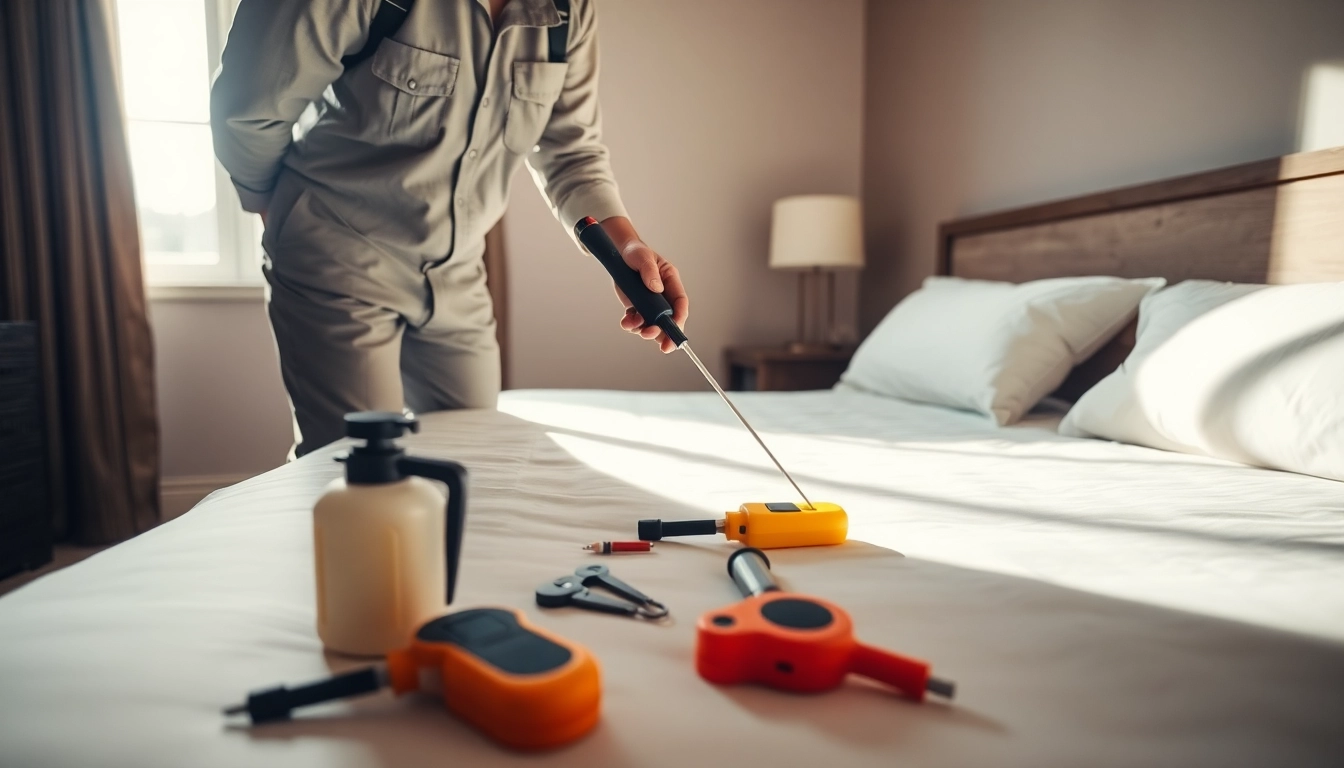
Understanding Bed Bug Control
Bed bugs are an increasingly common problem that can disrupt sleep and create distress in households. To maintain a comfortable living environment, it's essential to implement effective bed bug control measures. Understanding what these pests are, how to identify their presence, and the importance of early detection is vital in combating infestations. In this article, we’ll explore these aspects and provide you with comprehensive strategies for effective bed bug management.
What Are Bed Bugs?
Bed bugs, scientifically known as Cimex lectularius, are small, parasitic insects that feed primarily on human blood. Ranging from 1 to 7 mm in length, they are reddish-brown and have a flat, oval shape, which allows them to hide in cracks and crevices. Unlike mosquitoes, bed bugs do not transmit diseases but can cause discomfort through their bites, leading to itching, irritation, and in some cases, allergic reactions. Their resilience and ability to reproduce quickly make them challenging to eliminate once they infest a home.
Signs of Infestation
Identifying a bed bug infestation early on is crucial for effective control. Here are some signs to look for:
- Bed Bug Bites: These are often the first indication, presenting as small, red, itchy welts on the skin, typically in a line or cluster.
- Blood Stains: Small spots of blood may appear on bed linens or mattresses after bed bugs feed and subsequently get crushed.
- Exoskeletons: Bed bugs shed their skins as they grow, leaving behind translucent exoskeletons.
- Fecal Spots: Dark, tiny spots of feces can be found on mattresses, headboards, and walls, resembling black ink stains.
- Musty Odor: A strong, sweet smell in the vicinity indicates a significant infestation.
The Importance of Early Detection
Early detection of bed bugs can significantly affect the control process. If you notice signs of an infestation, act swiftly. Waiting can lead to a larger, more pervasive problem that takes longer and is more expensive to resolve. Implementing regular inspections, particularly in high-risk areas like bedrooms and hotels, can help address infestations before they spread. Regular vacuuming and washing bed linens can also aid in identifying potential issues early.
Common Bed Bug Control Methods
To combat bed bug infestations effectively, a variety of control methods are available. These methods often need to be used in combination for optimal effectiveness.
Pesticides and Chemicals
Pesticides are one of the most common methods of bed bug control. Several types of chemicals are effective against bed bugs, including:
- Pyrethroids: These synthetic chemicals are widely used and effective at killing bed bugs on contact. However, some bed bugs have developed resistance to these substances.
- Insect Growth Regulators (IGRs): These chemicals disrupt the life cycle of bed bugs, preventing them from maturing or reproducing.
- Desiccants: These substances work by drying out the exoskeleton of the bed bugs, leading to their death over time.
When using pesticides, it's essential to follow all manufacturer instructions and safety guidelines to minimize health risks to humans and pets.
Heat Treatment Techniques
Heat treatment is a highly effective method for eliminating bed bugs. Bed bugs cannot survive temperatures above 120°F (49°C). Professional companies often use specialized equipment to heat entire rooms to these temperatures, targeting not just the bugs but also their eggs. Advantages of heat treatment include:
- Comprehensive Coverage: Heat penetrates walls and hidden areas, effectively killing bed bugs in their habitats.
- Chemical-Free: Heat treatment avoids chemical exposure, making it a safer option for families and pets.
- Immediate Results: Unlike some chemical treatments, heat methods usually yield immediate results.
Professional Extermination Services
Engaging a professional pest control service can ensure more thorough treatment compared to DIY methods. Professionals have access to more potent pesticides and advanced techniques, trained in identifying bed bugs at every life stage. They typically employ an integrated approach, utilizing a combination of chemical treatments, heat methods, and thorough inspections to eliminate infestations. The initial investment may be higher, but the long-term results and peace of mind can be worth it.
DIY Bed Bug Control Solutions
For those seeking to address bed bug infestations independently, a variety of DIY methods can help manage the situation, although results may vary. Here are some approaches to consider.
Home Remedies to Consider
Homemade solutions can provide initial relief or help prevent a more extensive infestation. Some commonly cited methods include:
- Steam Cleaning: Using a steam cleaner can kill bed bugs on contact. Ensure that the steam is at least 130°F (54°C) for effective treatment.
- Vacuuming: Regularly vacuuming the living areas, including all bedding and upholstery, can reduce the number of bugs. Dispose of the vacuum bag immediately after use.
- Essential Oils: Some anecdotal evidence suggests that certain essential oils, like tea tree oil and lavender, may repel bed bugs, although studies on their effectiveness are limited.
Effective Preventive Measures
Preventing bed bugs from entering your home is crucial. Here are some effective measures:
- Encase Mattresses and Box Springs: Buy protective covers that are designed specifically to keep bed bugs out.
- Regular Inspections: Regularly check for signs of bed bugs, especially after traveling or staying in hotels.
- Be Cautious with Second-Hand Items: Inspect and clean items thoroughly before bringing them home.
Common Mistakes to Avoid
Many individuals make mistakes during the bed bug control process that can hinder success. Key mistakes to avoid include:
- Using Ineffective Treatments: Relying solely on home remedies without addressing underlying issues can prolong infestations.
- Neglecting Clutter: Clutter provides hiding spots for bed bugs, making elimination harder.
- Overuse of Pesticides: Using more pesticides than recommended can lead to resistance.
Cost Considerations for Bed Bug Control
When dealing with bed bugs, cost is a significant factor in choosing the right control method. Understanding pricing structures for professional services versus DIY options is essential for effective budgeting.
Average Pricing for Services
The cost of professional extermination services can vary significantly based on the severity of the infestation, geographical location, and treatment method. Generally, expect to pay between $200 to $1,500 for services, averaging around $300 to $600 for typical home treatments. It's essential to obtain multiple quotes and understand the scope of services included in the pricing.
Budget-Friendly DIY Options
For those working within a tighter budget, DIY treatments can be more affordable. Expenses for steam cleaners, vacuum bags, and necessary equipment are generally lower than professional services. However, the effectiveness of these methods can vary, and repeated efforts may lead to higher long-term costs if the infestation isn't adequately addressed.
Long-Term Financial Implications
Ignoring a bed bug infestation can lead to significant long-term financial implications. Bed bugs can multiply quickly, with a single female laying hundreds of eggs. This can result in more extensive infestations that require more drastic and costly control measures. Investing in effective treatment early is likely to be more cost-effective than allowing a small problem to grow into a larger one.
Frequently Asked Questions about Bed Bug Control
Can I Treat Bed Bugs Myself?
Yes, you can attempt DIY treatments, but they may not be as effective as professional methods. Combining various techniques, like vacuuming and steam cleaning, can improve your chances of success.
How Do I Know If My Home Is Infested?
Look for signs like bites on your skin, blood stains on sheets, small dark spots (feces), or bed bug exoskeletons around your sleeping area.
What Is the Best Prevention Strategy?
The best prevention involves regular inspections, protective encasements for mattresses, and being cautious with second-hand items.
How Quickly Can I Expect Results?
Results can vary based on the treatment method. Chemical solutions may take weeks, while professional heat treatments can yield results in a single day.
Should I Throw Away My Bed?
No, it's often unnecessary to discard your bed. Instead, invest in bed bug-proof encasements and treatment methods to resolve the infestation.