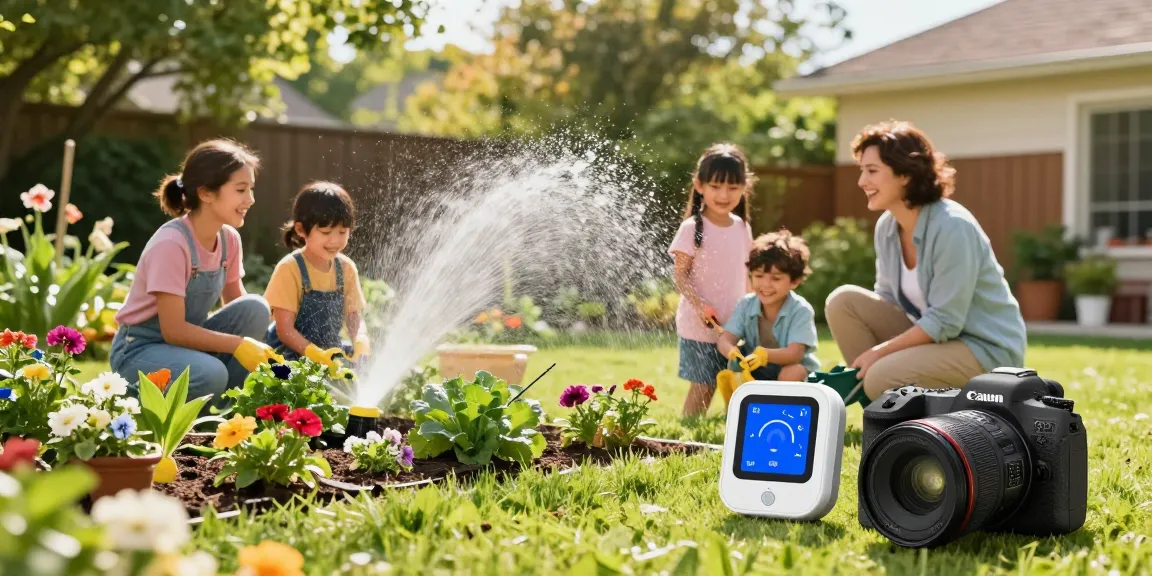
Understanding Smart Sprinklers
As garden enthusiasts and homeowners seek efficient ways to maintain their green spaces, the emergence of smart sprinkler technology has transformed traditional irrigation practices. These innovative devices not only simplify the watering process but also enhance water conservation efforts. With climate change and water scarcity becoming pressing global issues, integrating smart technology into gardening not only proves beneficial for plant health but also for the environment.
What is a Smart Sprinkler?
A smart sprinkler is a device designed to automate and optimize the watering of gardens, lawns, and landscapes. Unlike traditional sprinklers, which operate on fixed schedules, smart sprinklers are connected to Wi-Fi and can be controlled through mobile applications. They often utilize weather data, soil moisture sensors, and other variables to determine the optimal watering times and durations, ensuring plants receive the right amount of water without waste.
How Smart Sprinklers Work
Smart sprinklers function by integrating with various data sources to deliver precise irrigation. They connect to your home’s Wi-Fi network, allowing users to control their watering systems remotely via an app. Many smart sprinklers utilize:
- Weather Forecasts: These systems analyze local weather conditions to postpone or adjust watering schedules based on rainfall predictions.
- Soil Moisture Sensors: These sensors measure the moisture content in the soil, ensuring watering only occurs when necessary.
- Watering History Tracking: Users can access data on past watering patterns to gauge plant health and adjust care accordingly.
Benefits of Using Smart Sprinklers
The advantages of implementing smart sprinklers in your garden are numerous:
- Water Conservation: Smart sprinklers significantly reduce water waste by targeting specific areas based on real-time data.
- Time Savings: Homeowners no longer need to remember watering schedules or manually operate their systems, allowing them to focus on other tasks.
- Optimal Plant Health: By delivering precise amounts of water at the right times, plants thrive and grow stronger.
- Cost Efficiency: Reducing water waste can lead to lower utility bills, making smart sprinklers a financially sound investment.
Choosing the Right Smart Sprinkler for Your Garden
When selecting a smart sprinkler, it’s essential to consider various factors to ensure you choose the best model for your needs. smart sprinkler come with distinct features and capabilities that cater to different gardening requirements.
Key Features to Look For
Here are some critical features to consider when choosing a smart sprinkler:
- Connectivity: Ensure the sprinkler can connect to your Wi-Fi network for remote access.
- Mobile App Compatibility: A user-friendly mobile app can enhance the ease of operation and management.
- Sensor Integration: Look for models that include soil moisture and rain sensors for optimal water usage.
- Programmable Schedules: The ability to create customized watering schedules is vital for accommodating different plant needs.
- Expandability: Some models allow for additional zones or sensors to be added as your garden grows.
Comparing Popular Smart Sprinkler Models
As the market for smart irrigation solutions expands, homeowners benefit from a wide range of options. Here’s a comparison of some popular models:
ModelKey FeaturesPrice RangeRainPoint 2 Zone WiFi Water TimerSoil sensors, weather-based scheduling, mobile app control$$Rachio Smart SprinklerAdvanced weather intelligence, customizable schedules, user-friendly app$$$K-Rain Bluetooth SprinklerBluetooth connectivity, basic app integration, easy setup$
Integrating Smart Sprinklers into Existing Water Systems
Many homeowners may already have an irrigation system in place. Integrating a smart sprinkler into existing setups is often straightforward. Follow these steps:
- Assess Compatibility: Confirm that your existing system can accommodate smart technology.
- Follow Manufacturer Instructions: Many smart sprinkler brands provide clear guidelines for integrating with existing pumps and valves.
- Test the System: After setup, ensure everything operates smoothly by running a test cycle.
Installation and Setup of Smart Sprinklers
The installation process for smart sprinklers can vary based on the model, but many are designed for user-friendly setups.
Step-by-Step Installation Guide
Here’s a general guide to installing your smart sprinkler:
- Choose a Location: Select an accessible spot for your sprinkler that ensures adequate coverage of your garden.
- Connect to Water Source: Attach the sprinkler to your garden hose or irrigation system.
- Connect to Wi-Fi: Follow app instructions to connect the device to your home Wi-Fi network.
- Set Up the App: Download the relevant app and configure your watering schedules.
Common Installation Challenges
While many find smart sprinkler installation straightforward, some challenges may arise:
- Wi-Fi Connectivity Issues: Ensure your Wi-Fi signal reaches the installation site; consider using a Wi-Fi extender if needed.
- Compatibility Problems: Older irrigation systems may require additional adapters or setup adjustments.
- Device Configuration: Follow the manufacturer's directions carefully to avoid common setup errors.
Tips for an Optimal Setup
To maximize the effectiveness of your smart sprinkler:
- Utilize Soil Sensors: Place sensors at strategic points to gather accurate moisture readings.
- Regularly Update Software: Keep your app and device updated to benefit from new features and enhancements.
- Monitor Water Usage: Regularly check your water consumption data to adjust schedules as needed.
Maximizing Water Efficiency with Smart Sprinklers
Smart sprinklers offer various features that enable gardeners to be more efficient with water usage, crucial for both plant health and environmental conservation.
Understanding Water Needs of Different Plants
Different plants have unique water requirements. Understanding these needs is pivotal:
- Succulents and Cacti: Require less frequent watering, typically every 2-3 weeks.
- Flowering Plants: Generally need consistent moisture, especially during blooming seasons.
- Lawns: Typically require watering 1-2 times per week, depending on climate.
Scheduling Watering Times for Efficiency
When scheduling watering times, consider:
- Time of Day: Early morning or late evening is ideal for minimizing evaporation.
- Seasonal Changes: Adjust schedules based on seasonal weather patterns and plant growth stages.
- Rain Sensors: Enable rain sensors to prevent watering during wet conditions.
Monitoring Water Usage and Adjustments
Using data analytics tools within smart sprinklers helps track water usage:
- Access Historical Data: Review water usage trends to manage budgets and plant health.
- Adjust Budgets: Set monthly budgets to further restrict water usage if necessary.
- Regular Reviews: Periodically evaluate plant health and adjust watering accordingly.
The Future of Smart Irrigation Solutions
As technology continues to evolve, the future of smart irrigation solutions looks promising and innovative.
Emerging Technologies in Smart Watering
The integration of AI and machine learning into smart sprinklers will continue to enhance their effectiveness. Some trends include:
- Data-Driven Decision Making: Sprinklers may utilize predictive analytics to forecast plant water needs.
- Integration with Home Automation Systems: Smart sprinklers will increasingly work alongside other smart home devices for seamless management.
Trends for Smart Sprinklers in 2026 and Beyond
As we look ahead, the following trends are anticipated:
- Increased Affordability: As technology advances, more cost-effective options will become available.
- Enhanced User Interfaces: Improved apps with user-friendly features will simplify management.
- Collaboration with Environmental Research: Smart sprinklers may work with agricultural data to provide real-time insights into environmental impacts.
How Smart Sprinklers Can Benefit the Environment
Smart irrigation technology can positively impact environmental conservation efforts:
- Reduction in Water Waste: Efficient watering practices help preserve this precious resource.
- Improved Plant Health: Well-kept plants contribute to healthier ecosystems by supporting biodiversity.
- Lower Energy Use: Reduced water waste leads to less energy consumption associated with water treatment and distribution.
What are the primary benefits of using a smart sprinkler?
The primary benefits include water conservation, time savings, and enhanced plant health through optimized watering schedules.
How do smart sprinklers save water?
Smart sprinklers save water by utilizing real-time environmental data and soil moisture sensors to determine the optimal watering times and amounts.
Can I use a smart sprinkler with my existing irrigation system?
Yes, most smart sprinklers are designed to integrate seamlessly with existing irrigation systems, offering users an upgrade without complete replacement.
What features should I prioritize when selecting a smart sprinkler?
Key features to prioritize include Wi-Fi connectivity, mobile app compatibility, sensor integration, and customizable scheduling options.
What future trends should I expect in smart irrigation technology?
Expect advancements in AI integration, greater affordability, and enhanced user interfaces to drive the future of smart irrigation technology.