Understanding the Importance of a Photo Wall
A photo wall acts as a canvas of memories, beautifully displaying images that resonate with personal stories and experiences. Whether you're enhancing the ambiance of your living room or adding a touch of uniqueness to your workspace, a well-designed photo wall can transform any space. This article delves into the significance of photo walls, offering insights into their construction, design, and maintenance, ensuring that the final result is not just aesthetic but deeply meaningful.
Why Create a Photo Wall?
The motivation behind creating a photo wall often starts with the desire to personalize a space. Photographs are powerful; they evoke emotions, tell stories, and capture moments that define our lives. A photo wall allows individuals to showcase treasured memories in a visually appealing way, serving as a conversation starter and a focal point in any room.
Furthermore, photo walls can enrich a home by reflecting the inhabitants' personalities and stories. They also have a therapeutic effect, allowing individuals to reminisce and reconnect with cherished experiences and loved ones. When done effectively, a photo wall enhances emotional well-being and contributes to a more comforting living environment.
How Photo Walls Enhance Interior Design
Photo walls are more than just decorative items; they are integral aspects of interior design that enhance the overall aesthetic of a space. A thoughtfully curated collection of images can create warmth, depth, and texture, breaking the monotony of blank walls. They provide an opportunity for color coordination, style consistency, and thematic exploration within a room.
Incorporating a photo wall into a space can also draw attention to specific design elements. For instance, a gallery-style arrangement can create a sense of height and drama in a small room, while a collage style may foster a laid-back and eclectic vibe. This versatility makes photo walls suitable for virtually any room, from modern apartments to cozy family homes.
Common Mistakes When Designing a Photo Wall
Designing a photo wall can be an exciting endeavor, yet several pitfalls can detract from its success. One common mistake is overcrowding the wall. While it may be tempting to display every photograph, too many images can overwhelm viewers and dilute the impact of individual pieces. Balance and negative space are essential to ensure each photo takes center stage.
Another frequent issue arises from poor alignment and arrangement. An uncoordinated layout can lead to a chaotic appearance. Careful planning and measurement are crucial to achieving a harmonious arrangement, whether linear or organic. Lastly, neglecting to consider the surrounding decor can result in a disjointed look; the photo wall should complement other elements in the room.
Types of Photo Walls to Consider
Gallery-Style Photo Walls
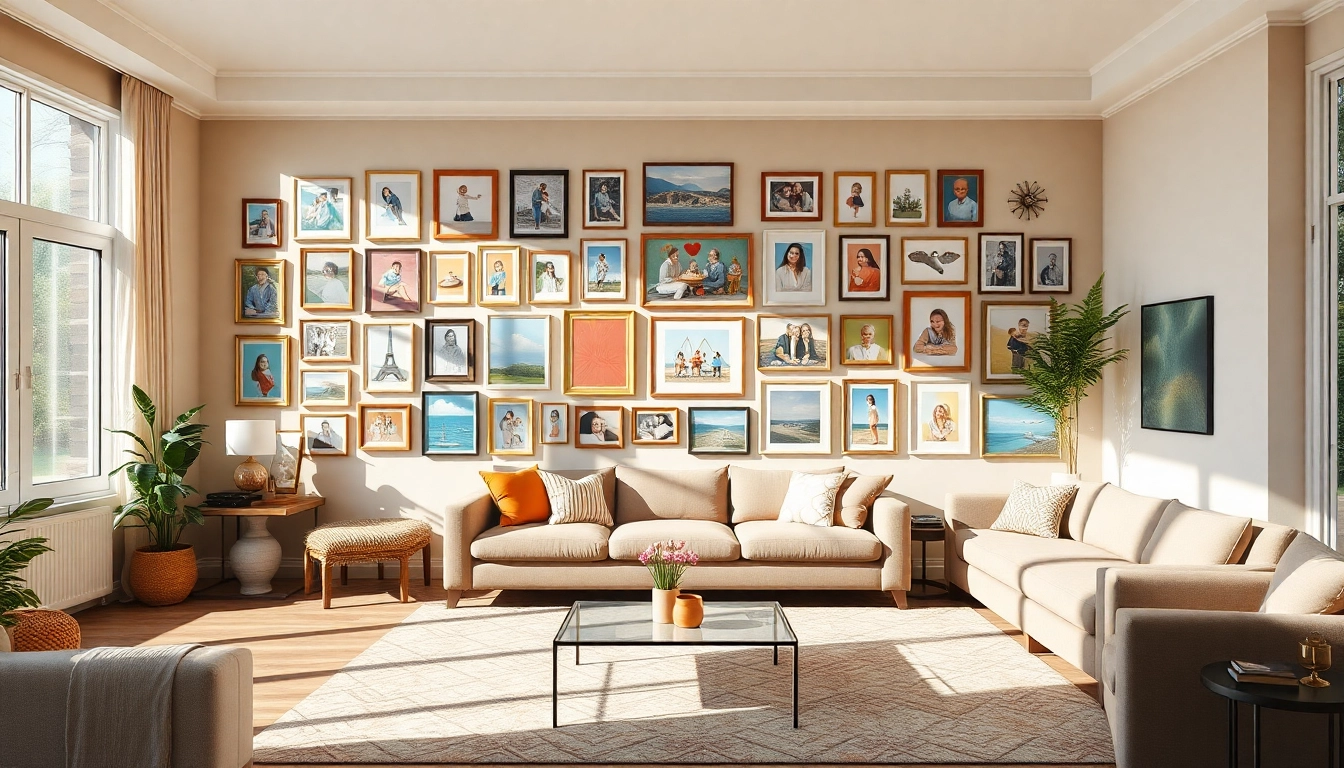
A gallery-style photo wall is characterized by its curated arrangement, resembling an art gallery exhibit. This approach typically incorporates various frame sizes, styles, and orientation, creating a dynamic visual display. It allows for easy interchangeability, making it an appealing option for those who frequently update their decor or add new memories.
The gallery style is particularly effective in larger spaces, as it can utilize the available wall area without feeling cluttered. To maintain a cohesive look, it’s crucial to choose a unifying element—this could be a consistent color scheme, frame material, or photo theme. Piece arrangement can vary, from symmetrical to asymmetrical, providing ample creative freedom.
Collage Photo Walls
Collage photo walls are a more informal and playful approach, emphasizing variety and spontaneity. They often incorporate multiple images of varying sizes without strict adherence to frame uniformity. This makes a collage-style wall well-suited for vibrant, eclectic spaces, such as children's rooms or casual family areas.
When creating a collage, themes can be highly personal and varied—ranging from family vacations to artistic endeavors or quotes and memories. This style allows for endless creativity and can even include elements like artwork, fabric, or decorative objects, further enhancing visual interest.
Seasonal or Themed Photo Walls
Seasonal or themed photo walls offer a creative twist by allowing you to change the display based on occasions or themes throughout the year. For example, a winter-themed wall can feature snow-related activities, while summer can showcase beach adventures. This adaptability adds a fun dimension to your decor.
Not only does this approach keep your space feeling fresh, but it also invites interaction as families and guests can contribute to the theme, making it a collective experience. To execute this effectively, consider creating a modular framework that allows for easy swapping of images or a fixed color palette that ties the seasonal theme together.
Best Practices for Designing Your Photo Wall
Choosing the Right Location and Size
The first step in creating a stunning photo wall is selecting the right location and size. Ideal locations include prominent areas such as living rooms, hallways, or entryways where guests frequently pass. The size of the wall should proportionally reflect its contents; a large wall can accommodate more extensive displays, while smaller walls can benefit from a more curated approach.
A useful method is to visualize the layout by using painter's tape to outline the intended area on the wall. This helps in assessing the scale and space required, ensuring the final design feels intentional and well-placed.
Color Schemes and Frame Selection
The color scheme serves as the foundation of your photo wall's visual narrative. Selecting frames that complement the overall decor of the room is crucial; for instance, a room filled with mid-century modern furniture can pair nicely with sleek, minimalistic frames, while traditional decor might benefit from ornate, wooden choices.
Considering a cohesive color palette can enhance the visual appeal—aim for colors that resonate with the emotions evoked by the photographs themselves or the room's ambiance. Monochromatic schemes can create a sophisticated feel, while contrasting colors may enhance a more vibrant, energetic environment.
Arranging Photos Effectively
Arranging the photographs in a manner that facilitates an engaging narrative is essential. One effective way to achieve this is by grouping images that share similar themes, colors, or styles, creating a coherent story within the chaos. When placing photos, consider both horizontal and vertical orientations to maintain visual interest and balance.
Using templates or mock-ups to strategize the layout before actually mounting anything can prevent missteps. You can even photograph potential arrangements and review them from different angles to ensure you're satisfied with the layout before committing.
DIY Steps to Create Your Unique Photo Wall
Gathering Materials and Tools
The DIY process for creating a photo wall begins with gathering the right materials and tools. Gather your favorite photographs, various picture frames, adhesive strips or mounting hardware, scissors, and perhaps a ruler for precise alignment. If you're considering a collage, additional decorative materials such as washi tape, string lights, or miniature objects can enhance the look considerably.
Preparation also means ensuring that the wall surface is clean and suitable for mounting items. You may wish to prep items with a good quality leveler or measuring tape to align as you go.
Creating Templates for Arrangement
Creating templates for your arrangement can prevent errors and save time during the installation process. This can be as straightforward as cutting out paper shapes that match the size of your frames and using painter's tape to outline where each frame will go on the wall.
This step allows for quick adjustments without damaging the wall or committing to any images until you are satisfied with the layout. Experiment with various configurations until you find one that resonates with your intended design.
Mounting Photos Securely
Once satisfied with your layout, it’s time to mount the photos. Ensure that you are using the appropriate mounting hardware for the weight of your frames. Adhesive strips may suffice for lightweight frames, but heavier frames require nails or wall anchors for stability. Align each frame according to the template created, measuring carefully to maintain spacing and alignment.
Taking a step back periodically to view the overall layout from different angles will help catch any mistakes early on before finalizing installation.
Inspiring Examples of Stunning Photo Walls
Modern and Minimalist Approaches
A modern and minimalist photo wall can serve as a stunning focal point while promoting a clean aesthetic. By using monochrome frames and a limited color palette, a photo wall can achieve a sophisticated and stylish look that resonates with minimalist interiors. Images should have similar themes or a consistent subject matter to create unity, while negative space around the frame can enhance the minimalist approach.
This design approach is particularly effective in home offices or contemporary spaces where distraction must be minimized. A few strategically placed photographs can have a profound impact without overwhelming the viewers.
Bohemian and Eclectic Styles
The bohemian style allows for a free-spirited approach that involves mixing different colors, patterns, and textures. A photo wall in this style includes an array of frames—some painted, some natural, mixed with fabrics, art pieces, and even plants. The eclectic mix creates an inviting and lively atmosphere perfect for cozy spaces such as living rooms or bedrooms.
Incorporating elements like tapestry or fairy lights can further enrich the ambiance, turning the photo wall into a multi-dimensional artwork that captures attention and evokes emotion.
Family-Driven Custom Designs
For families, a custom-designed photo wall can encapsulate the essence of togetherness and shared experiences. By including family milestones such as graduations, weddings, and vacations, the photo wall becomes a living narrative of family history. Capturing different generations can also provide a historical context, fostering appreciation among family members.
Mixing frames with varying textures and sizes allows for creativity, while themes such as ‘family travels’ or ‘funny moments’ can keep each section engaging and fresh. This type of wall can not only beautify a space but also serve as a cherished reminder of shared love and connection.
FAQs About Photo Walls
What is the best location for a photo wall?
The best location for a photo wall is a prominent area that receives ample natural light, such as living rooms, hallways, or over a fireplace, where it can be easily appreciated.
How do I choose the right size for my photo wall?
The size of your photo wall should be proportionate to the available wall space. Measure your wall and experiment with different layouts using painter's tape before finalizing the design.
Can I use different frame styles for a gallery wall?
Absolutely! Mixing different frame styles can create a dynamic and visually interesting gallery wall, but ensure there is an unifying theme, such as color or texture.
How often should I update my photo wall?
Update your photo wall as often as you like! Consider seasonal changes, family achievements, or new memories that you'd want to display, keeping it fresh and relevant.
What should I avoid when creating a photo wall?
Avoid overcrowding the wall with too many photos, neglecting alignment and spacing, and using frames that clash with the room’s decor. Balance and cohesion are key for a successful photo wall.